
Thermal Challenges in UAV Electronics
Unmanned aerial systems enforce uncompromising trade-offs across weight, thermal envelope, volumetric density, and vibration tolerance. Effective thermal architecture demands co-optimization across all mechanical axes.
High Power Density & Hotspots
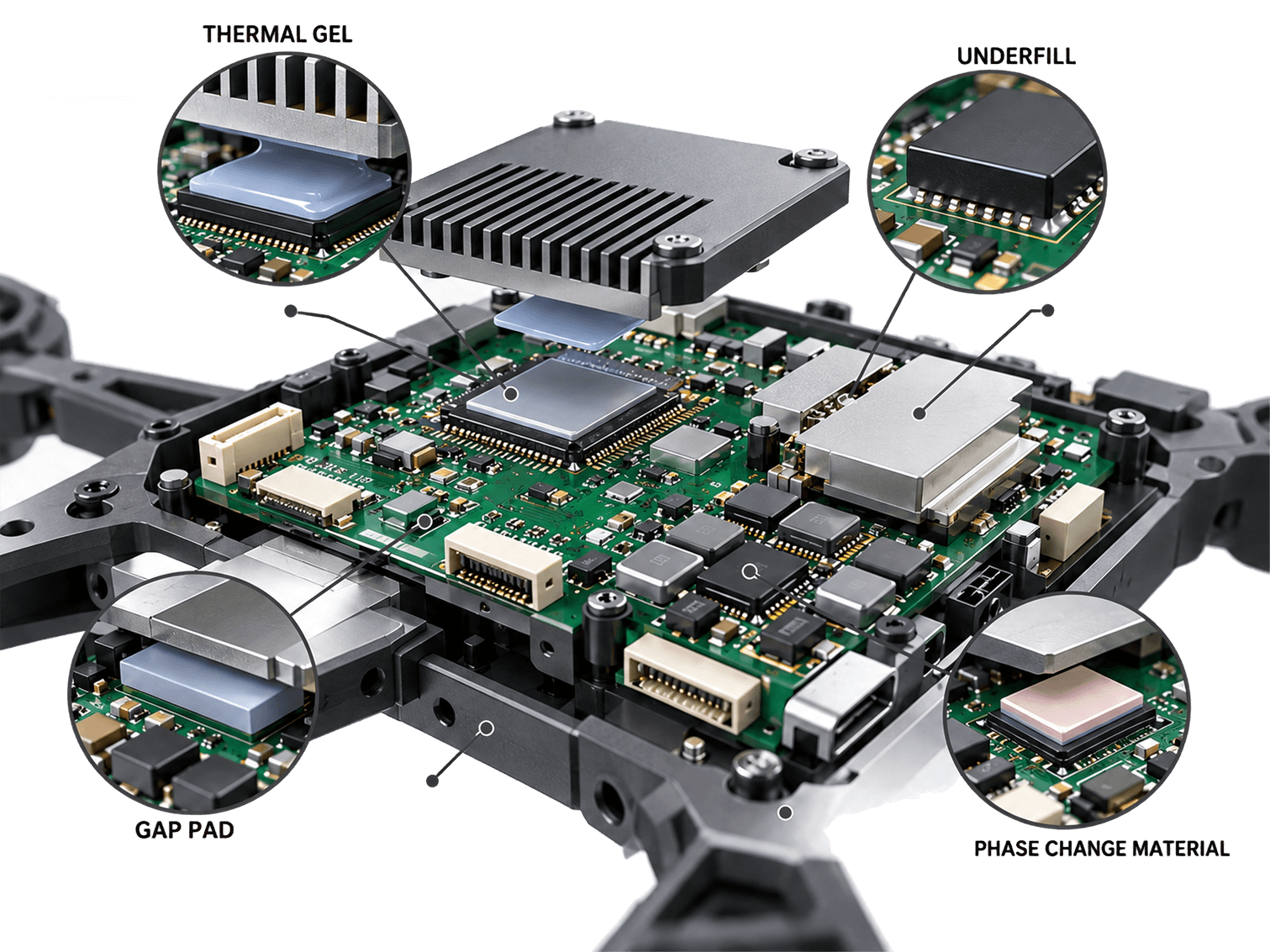
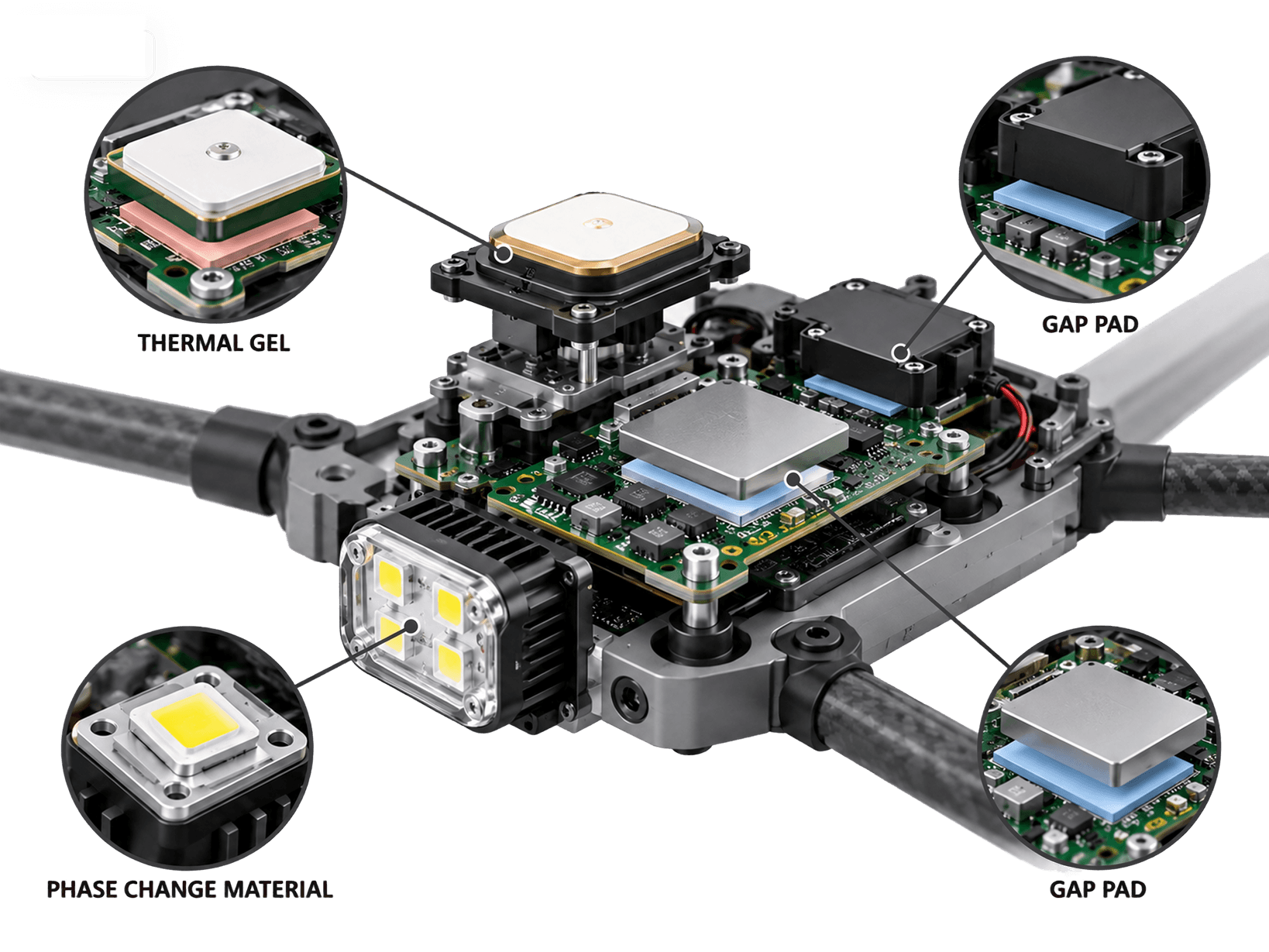
Power MOSFETs, flight-control chips, and other components can generate concentrated heat in limited space. A practical heat-transfer path is needed from the heat source to the cooling structure.
Lightweight & Compact Design
UAV designs are sensitive to weight and space, requiring a balance among thermal performance, material usage, density, and assembly process.
Vibration & Environmental Reliability
Flight vibration, temperature cycling, and complex external conditions create requirements for material stability, adhesion, and long-term reliability.
Complex Interfaces & Manufacturing
Uneven component heights and tolerance variations require consideration of conformability, assembly pressure, dispensing efficiency, and rework needs.
Application Areas
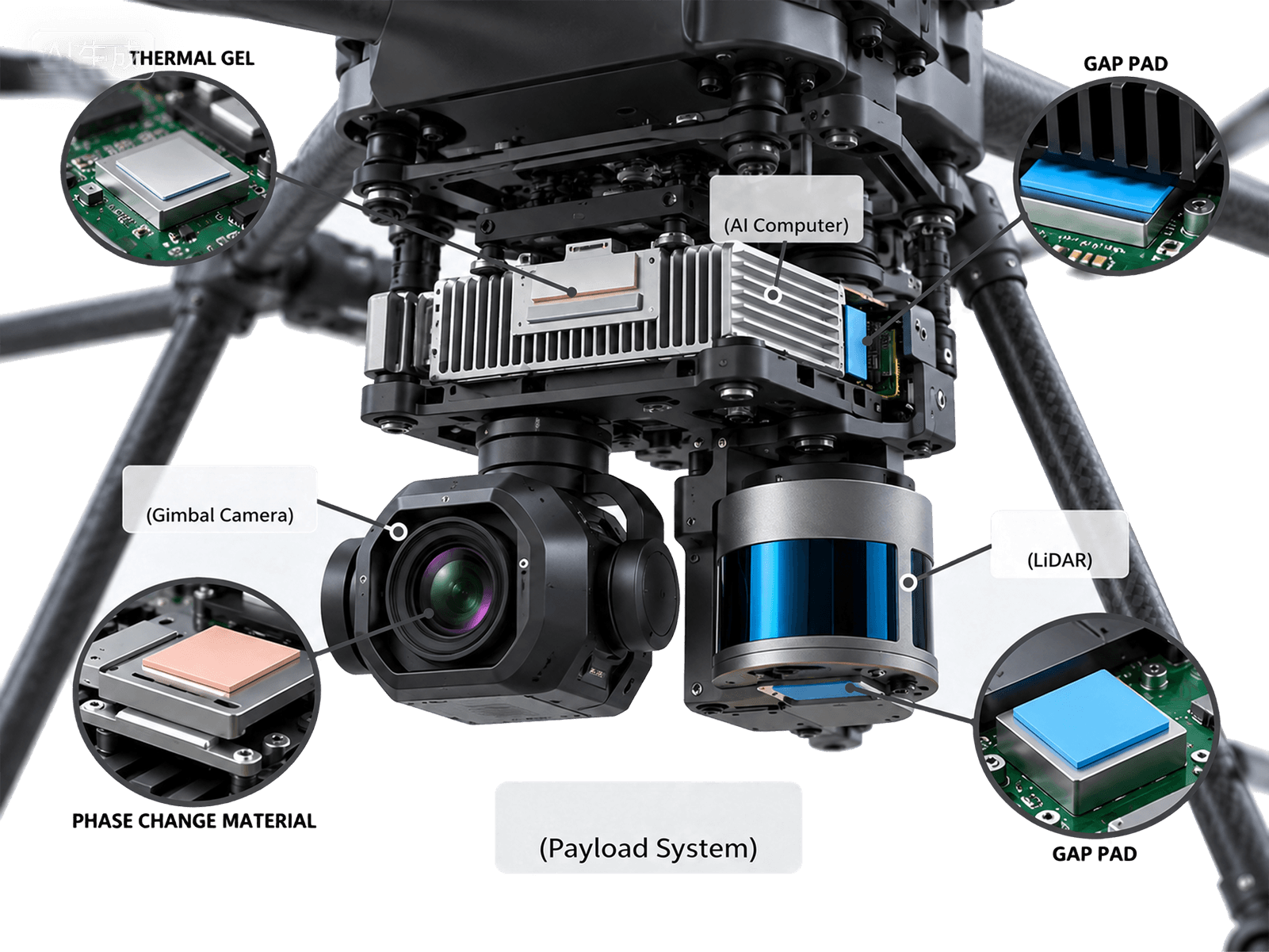
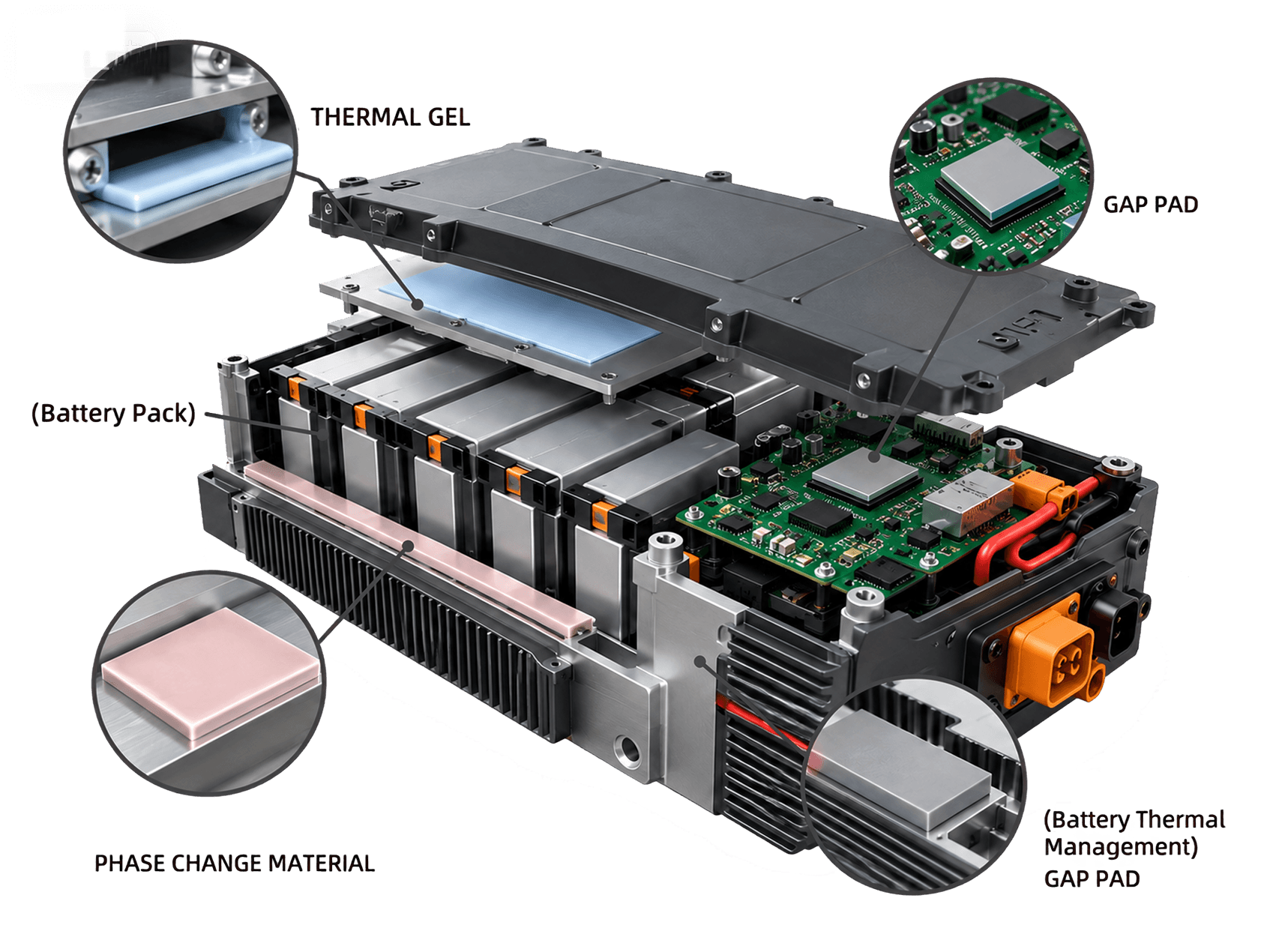
Match thermal and bonding materials to the operating needs of each UAV subsystem.
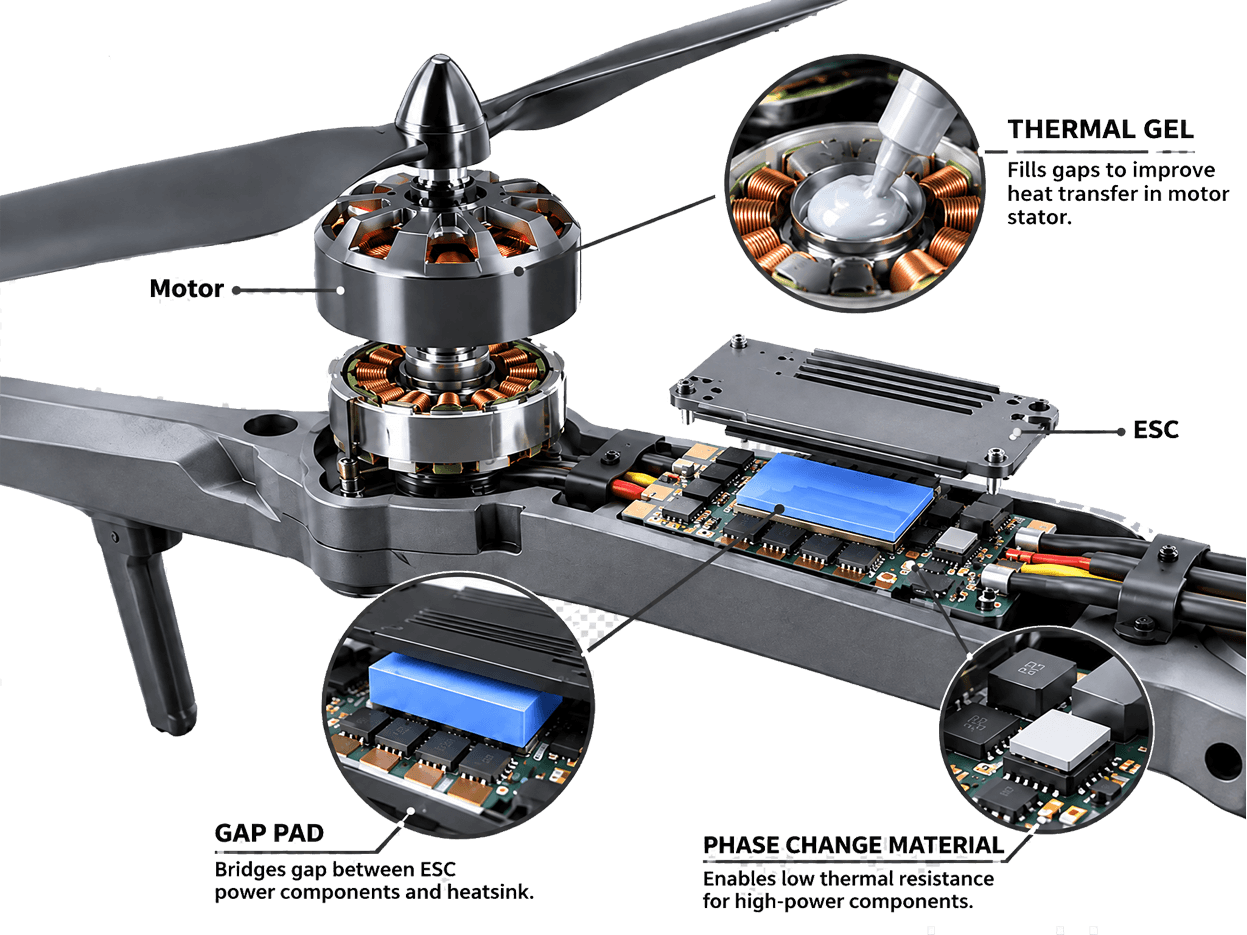
Power System
The UAV power system mainly consists of the motor and electronic speed controller (ESC). Power devices in the ESC generate heat under high-speed switching and high-current operating conditions, while motor windings and other losses also produce heat during operation. For different structural designs, suitable thermal interface materials can improve heat transfer between power components and heat-dissipation structures, supporting thermal management under high-load conditions.
Material Solutions
Engineered formulations developed specifically for thin-gap micro-tolerances, multi-axis automated dispensing, and extreme thermal-cycle stability.
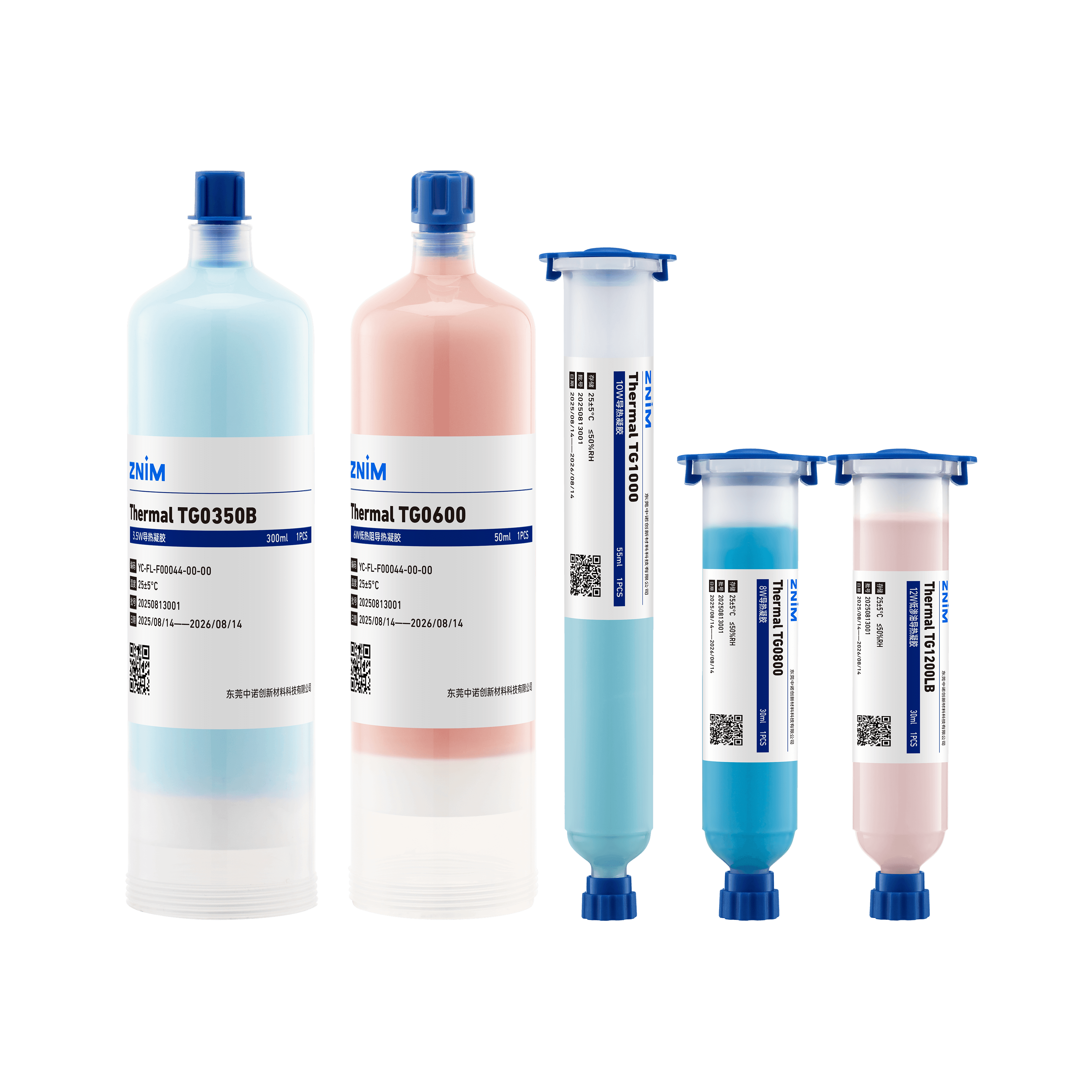
Thermal Gel
Flexible gap filling for complex UAV assemblies
Fills gaps between heat-generating components and cooling structures, helps surface contact, and creates a heat-transfer path. Suitable for evaluating automated dispensing under actual process conditions.
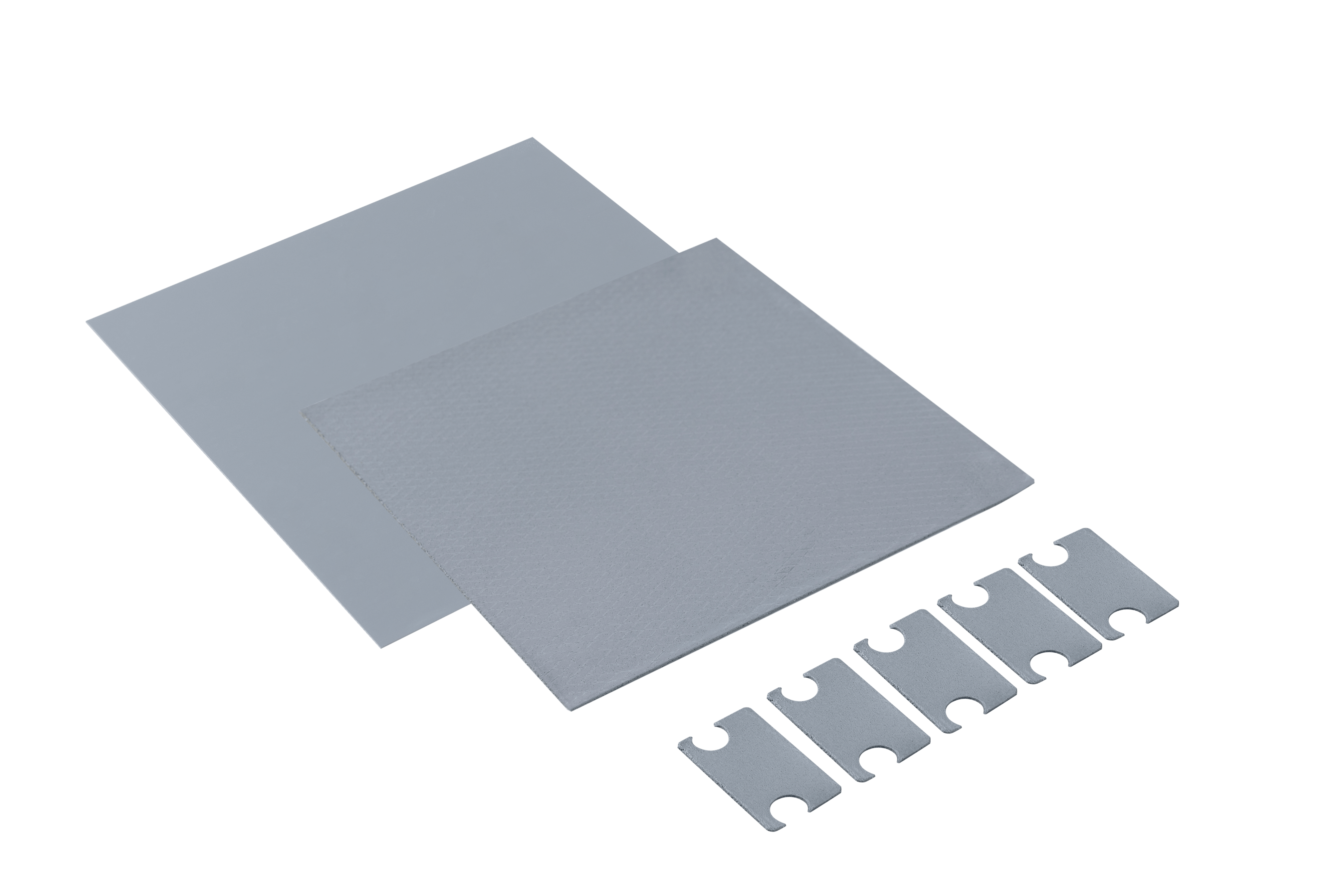
Thermal Gap Pads
Defined gaps with controlled compression
Preformed interfaces for defined gaps and thicknesses. Select hardness, thickness, and thermal performance according to available assembly space and pressure.
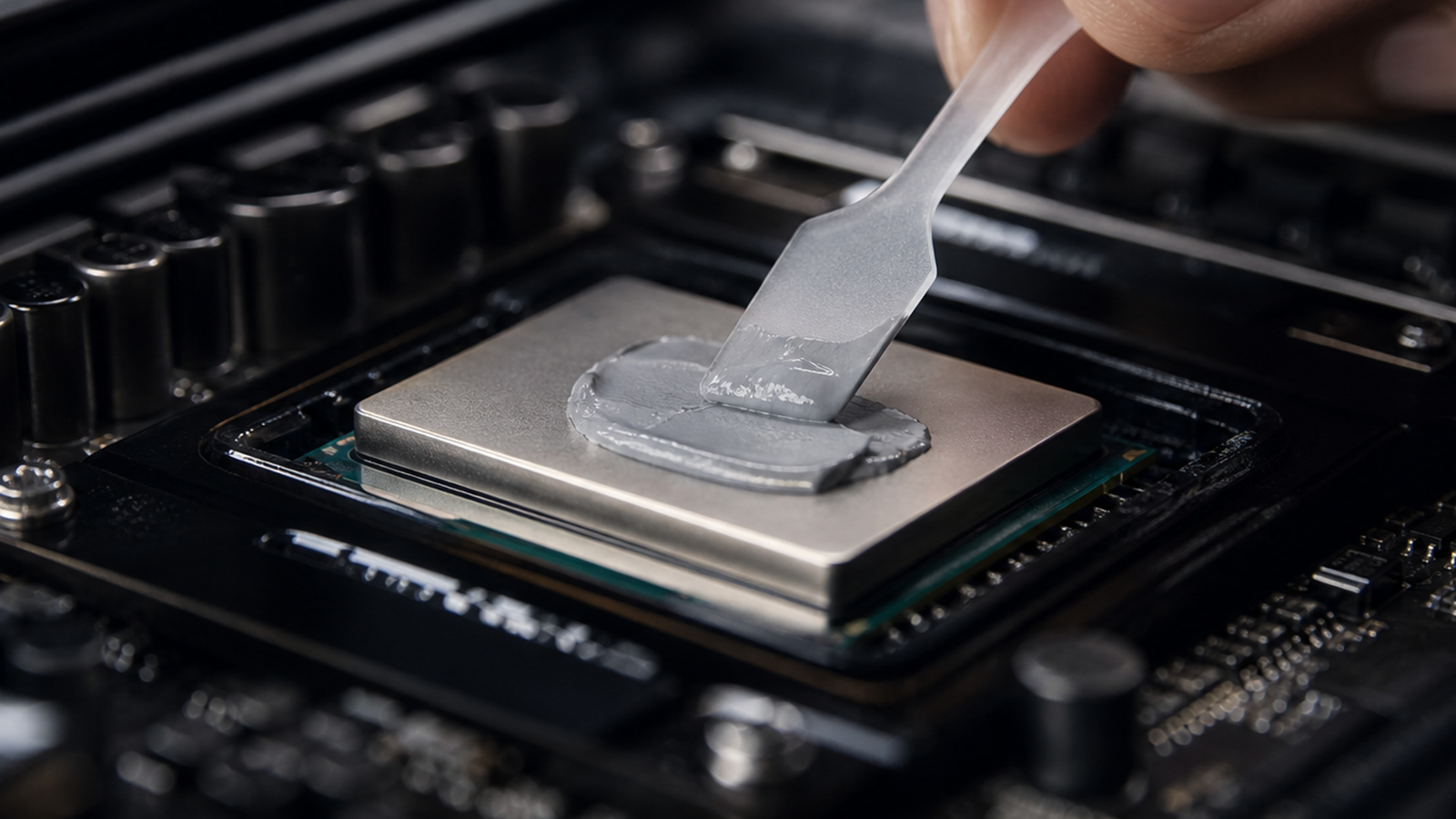
Thin-Bondline TIMs
Low-resistance transfer across thin interfaces
For flatter, thinner chip-to-heatsink interfaces where low bond-line thickness and contact resistance matter. Material choice depends on actual interface design.
Electronic Adhesives
Bonding and reliability support for UAV electronics
Provide fixation, bonding, or reliability support for selected electronic assemblies. Underfill may be considered where the package structure calls for it.
Recommended Products
Explore candidate grades and request verified technical data for your UAV application.
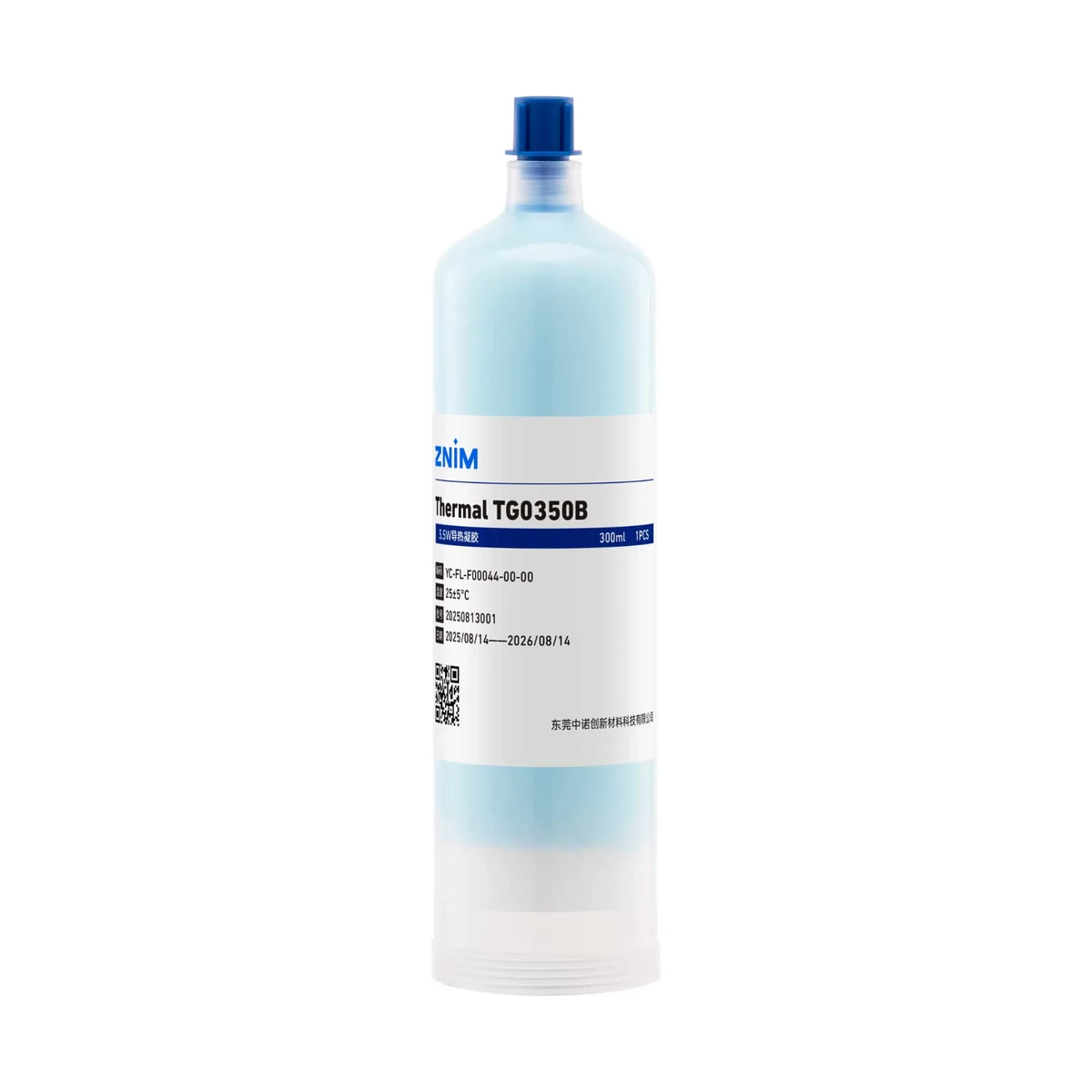
TG0350B
Thermal Gel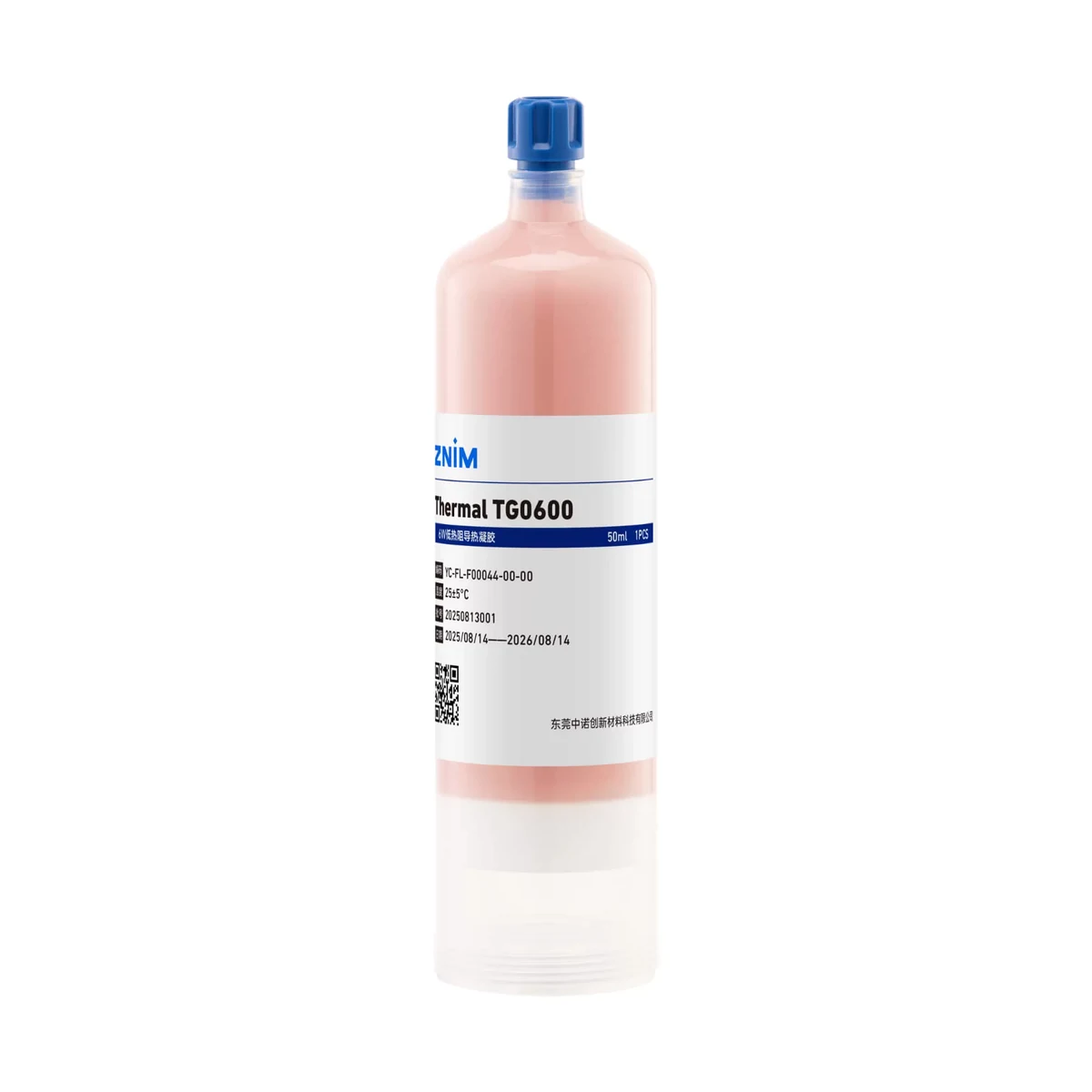
TG0600
Thermal Gel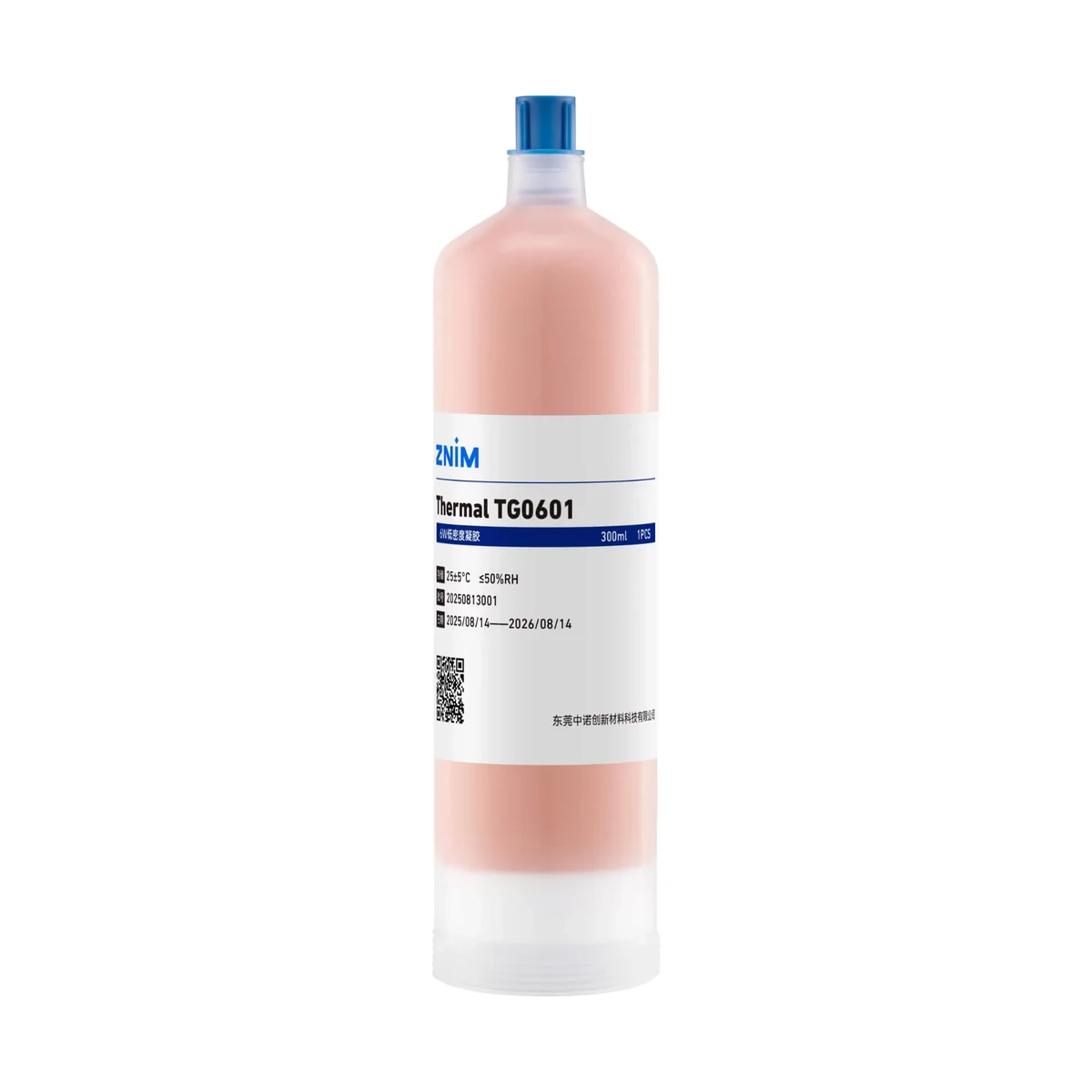
TG0601
Thermal Gel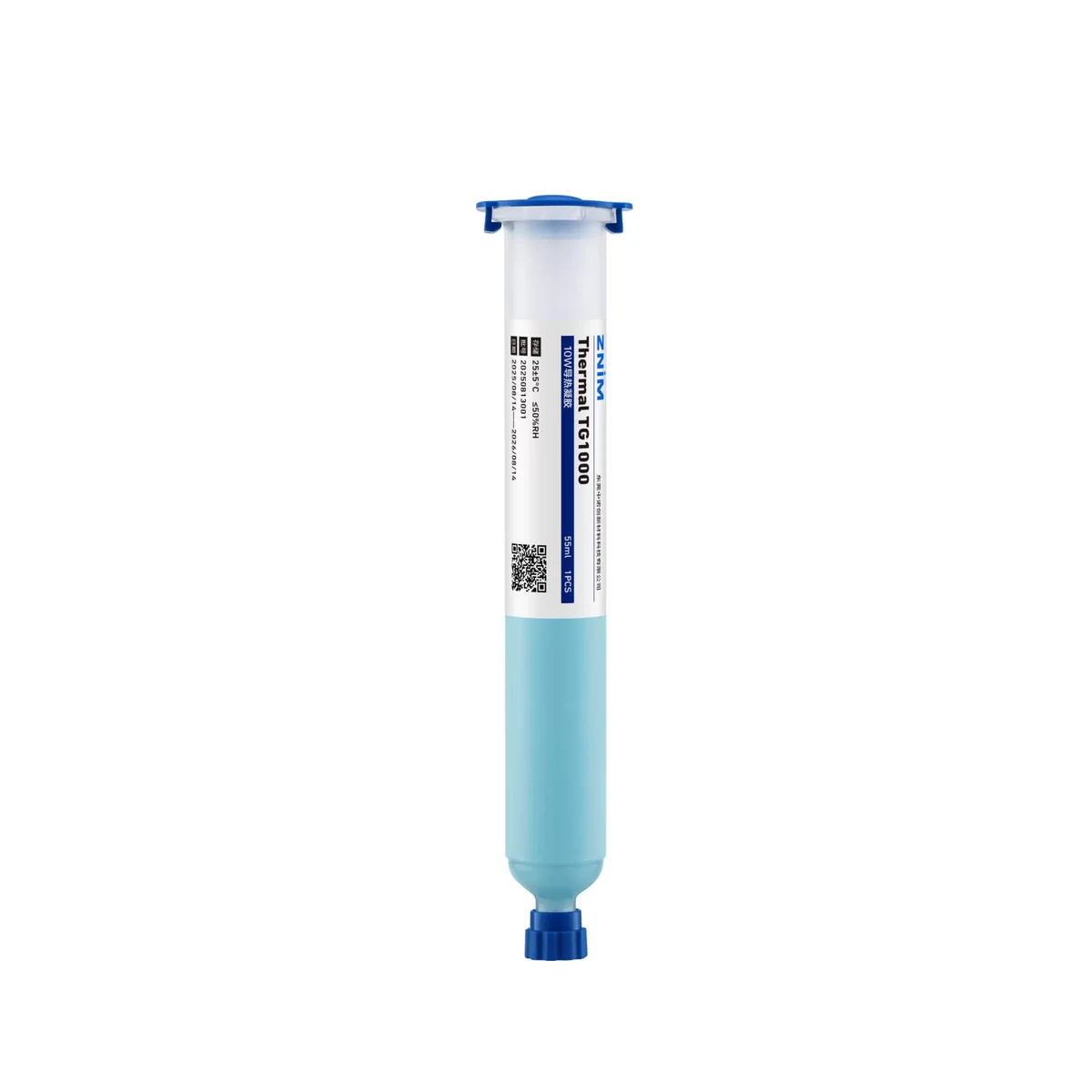
TG1000
Thermal Gel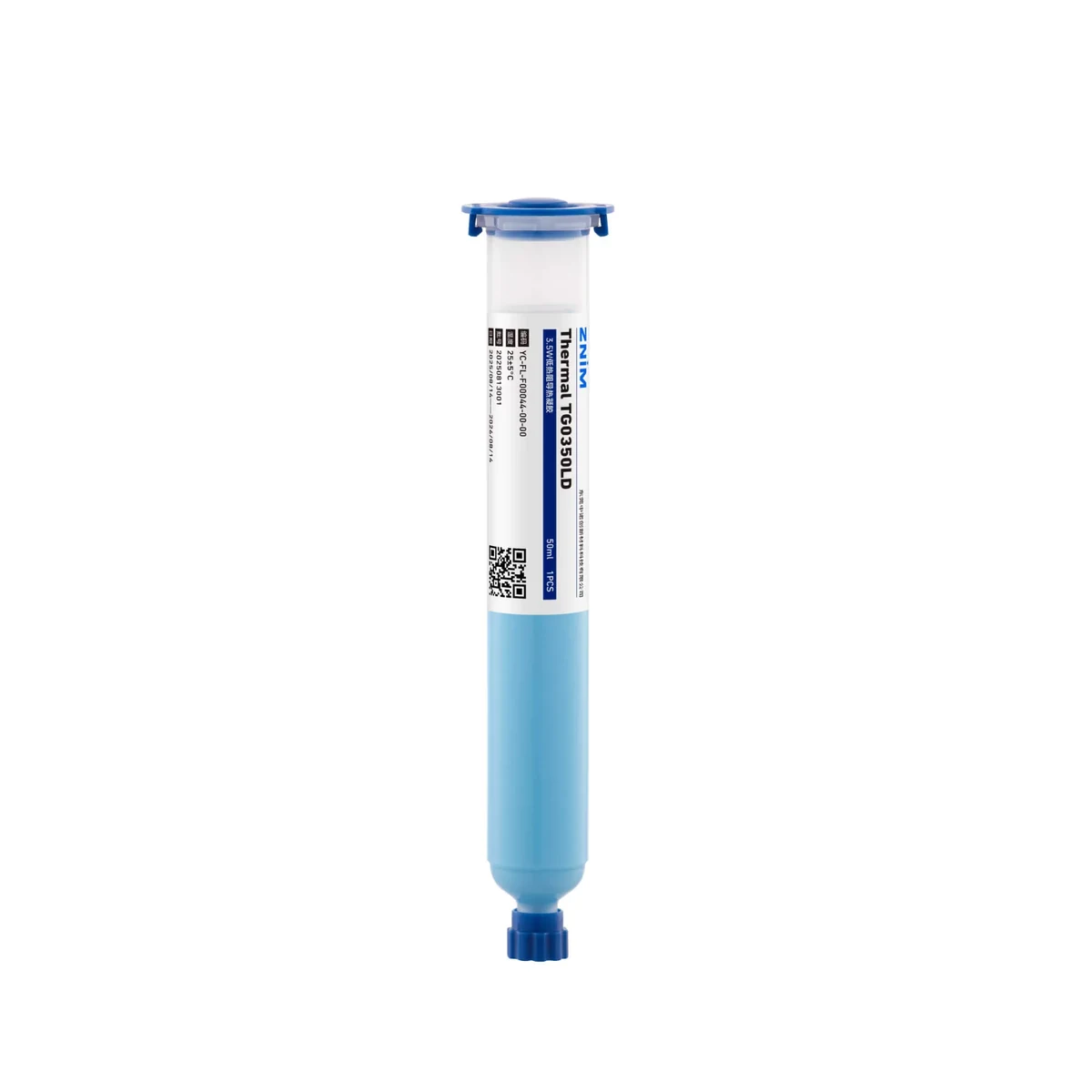
TG0350LD
Low-Density Gel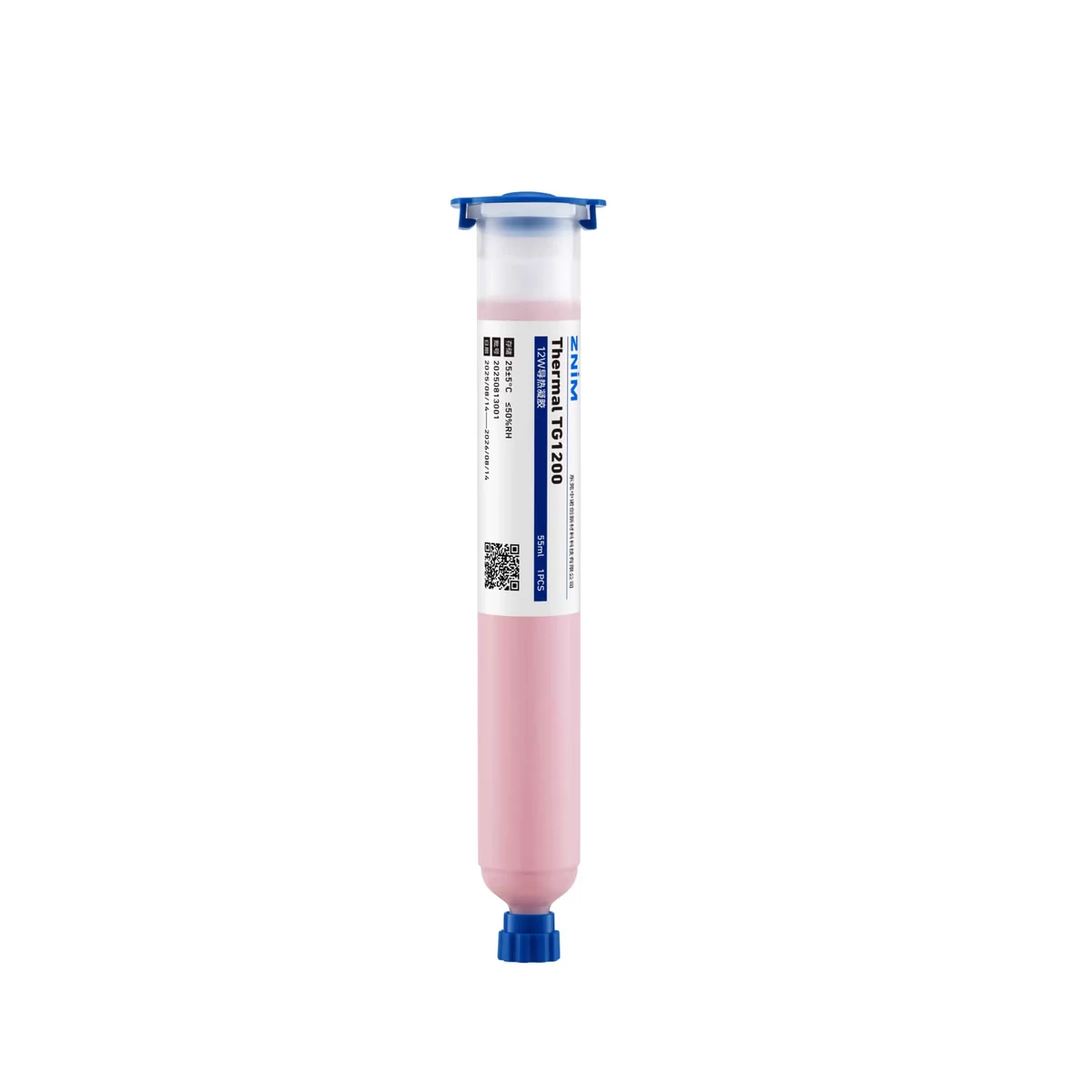
TG1200
Grade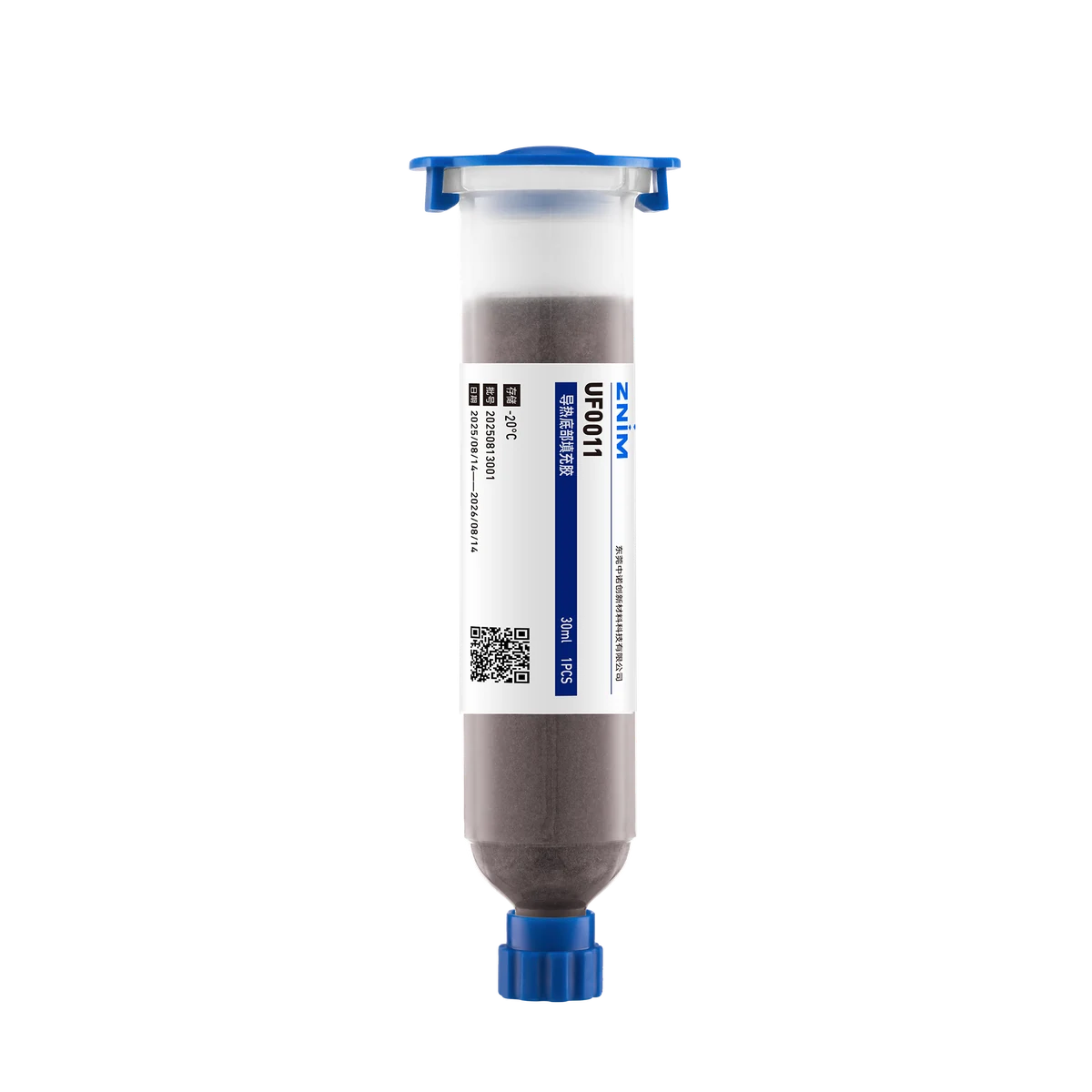
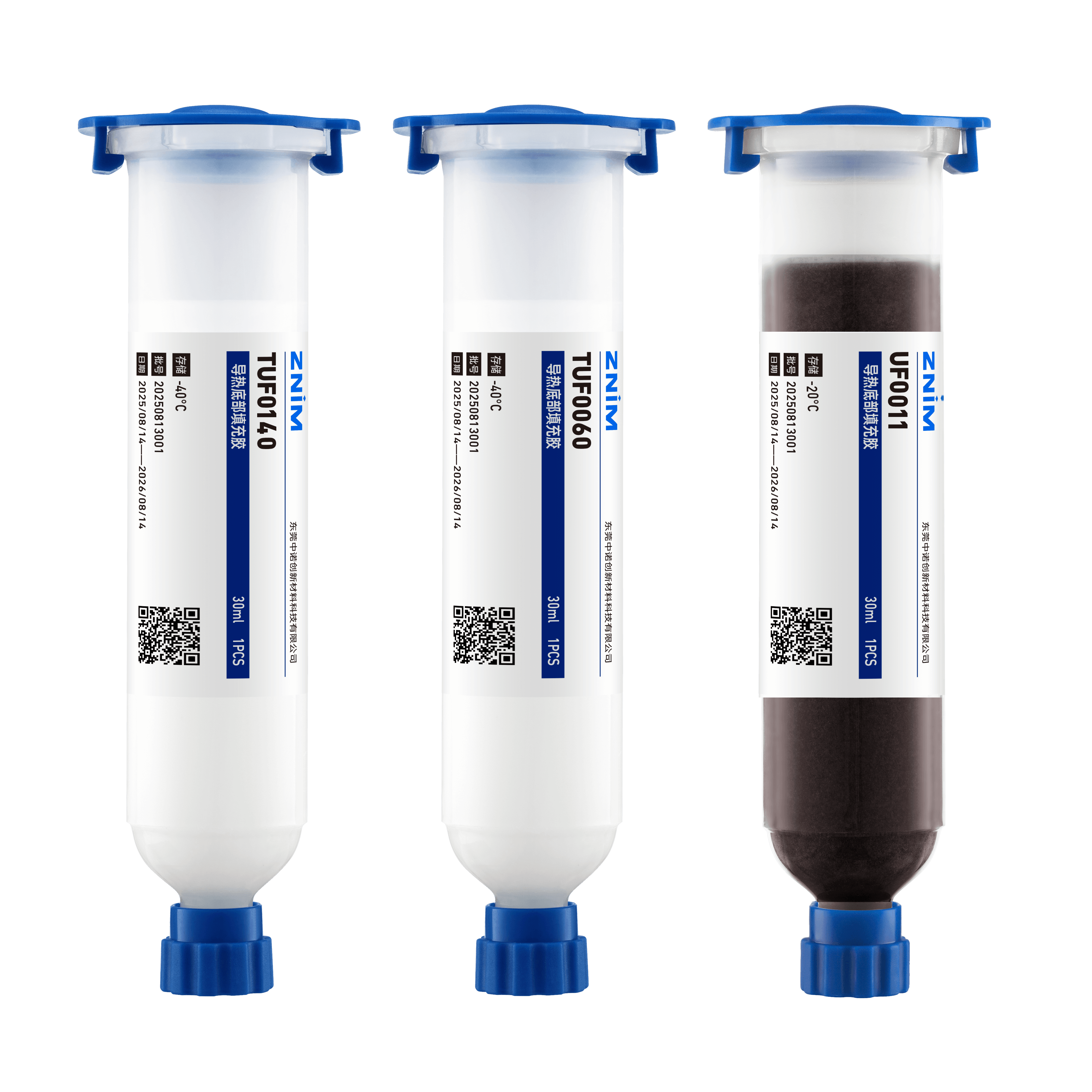
UF0011
Underfill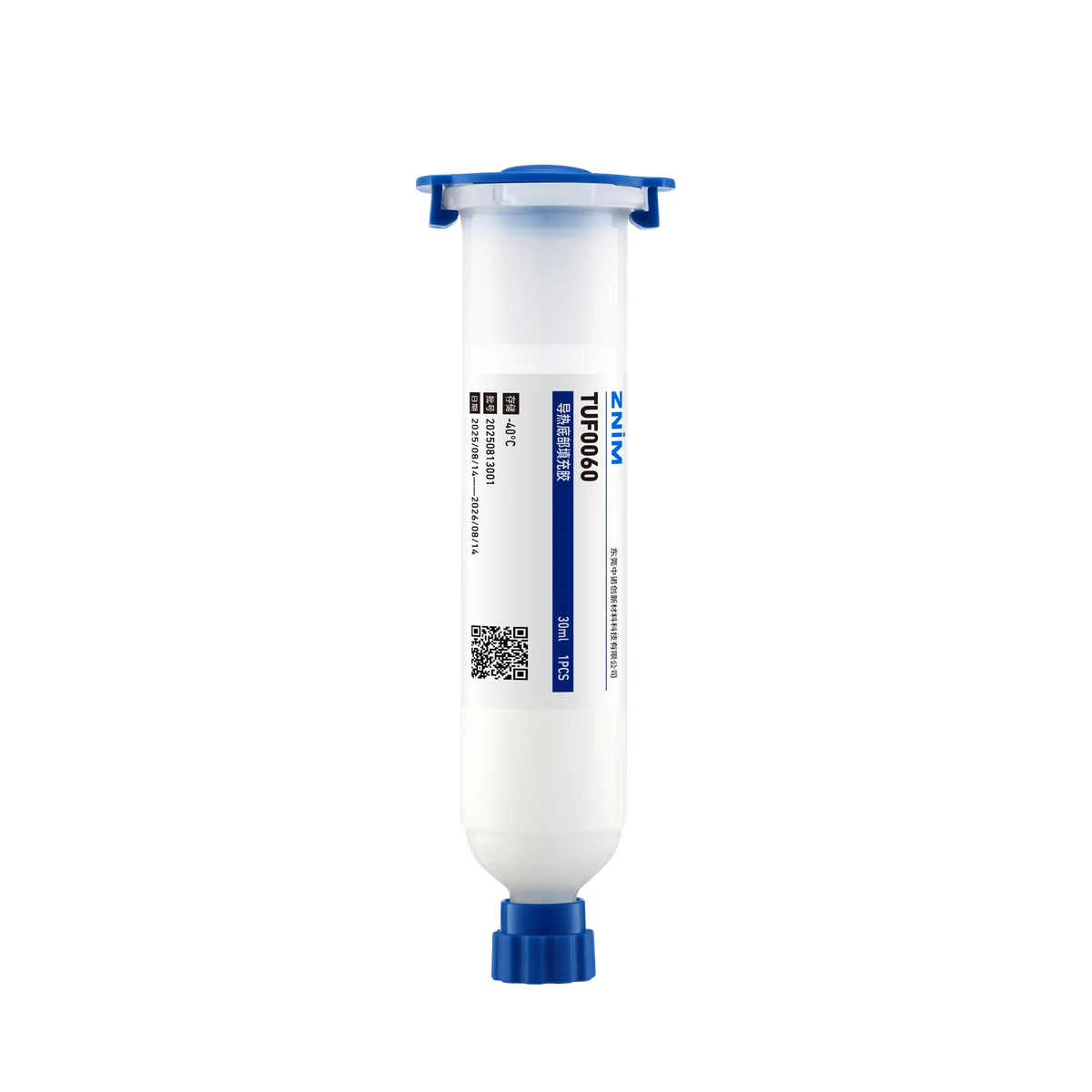
TUF0060
Underfill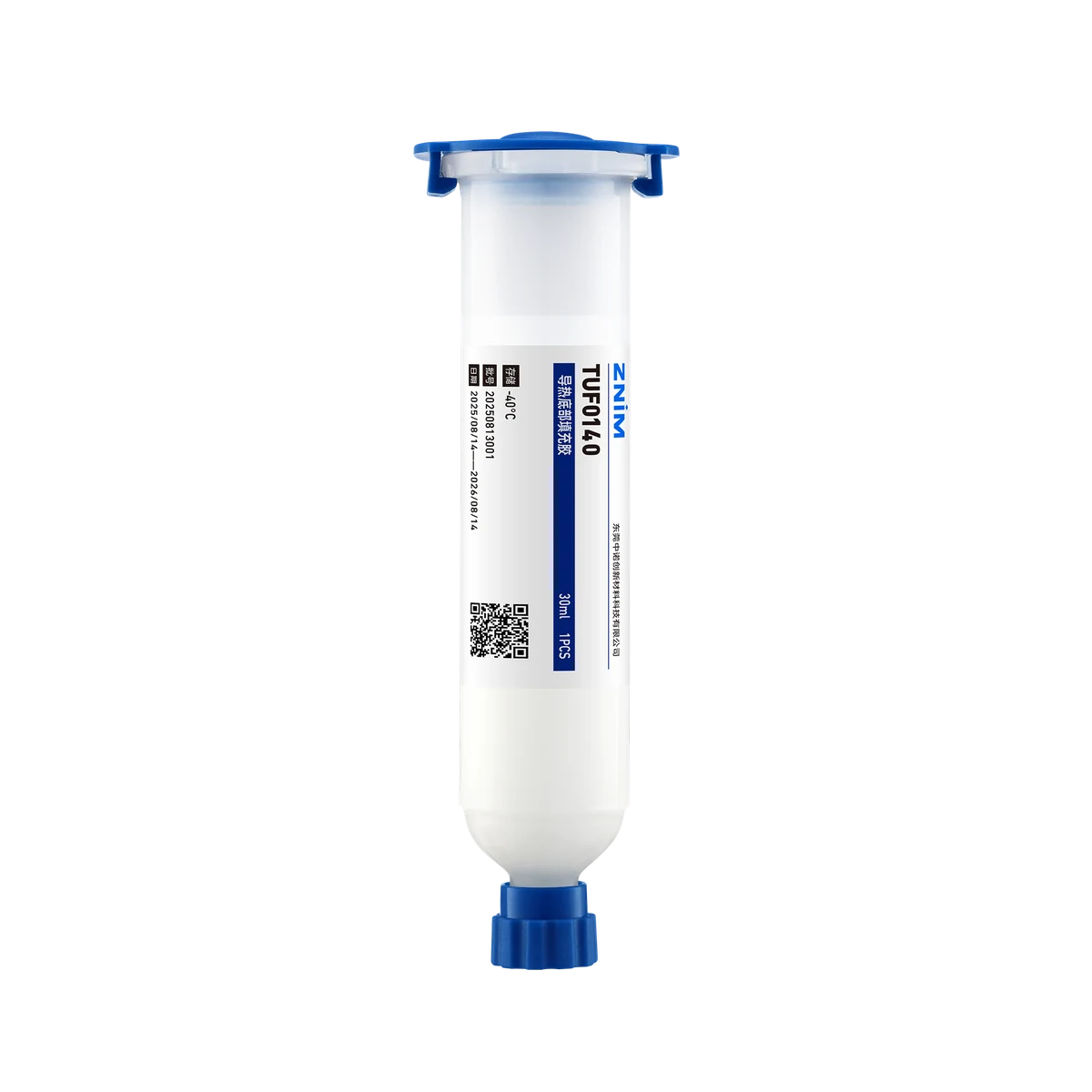
TUF0140
Underfill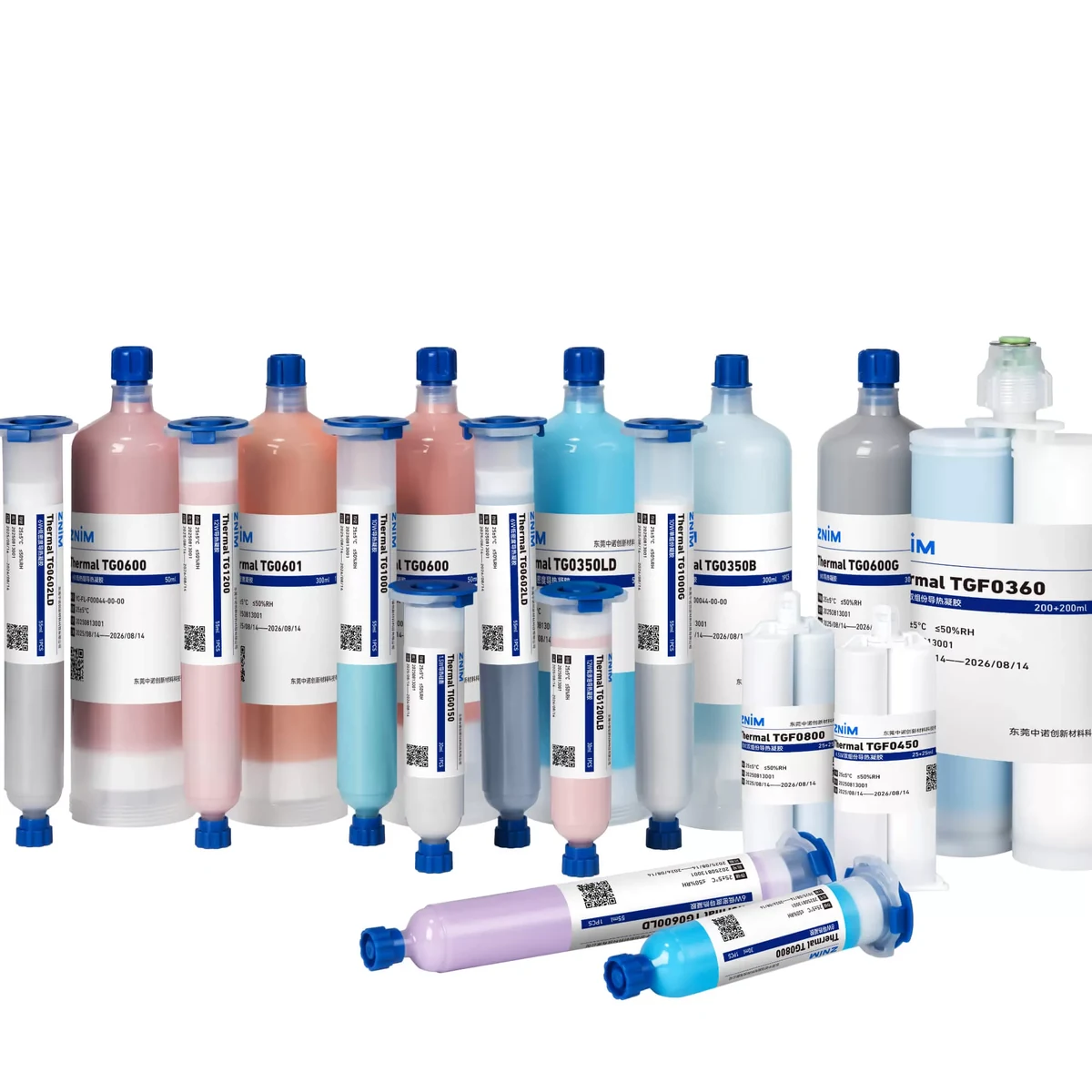 Product range image
TG0601LD
GradeEngineering Support & Validation
A three-step workflow for defining application needs, selecting candidate materials, and validating them against the UAV design.
Application Review
Review the subsystem layout, thermal targets, interface dimensions, assembly conditions, and operating environment.
Material & Process Selection
Compare candidate materials and assess how each option fits the interface and manufacturing process.
Testing & Validation
Test thermal performance, process compatibility, and reliability under the intended application conditions.
Frequently Asked Questions
Technical guidance on thermal interface material behavior in unmanned aerial systems.
Compare working gap, component height, tolerances, assembly pressure, and dispensing or placement process. Confirm the choice through testing in the actual ESC assembly.
Consider material density, applied volume, thermal resistance, and total system weight together. Review grade-specific data before selecting a low-density material.
Not necessarily. Actual interface thermal resistance, bond-line thickness, contact quality, and reliability also matter. Compare candidates under the same application conditions.
Evaluate pump-out, displacement, adhesion, and vibration-test requirements under relevant operating conditions. The outcome depends on the selected material and assembly.
Assess electrical clearance, dielectric strength, grounding, and structural design for the specific interface. Confirm electrical properties against the selected grade and board design.
Find the Right Thermal Material for Your UAV Design
Contact ZNIM to discuss your UAV application and material requirements.