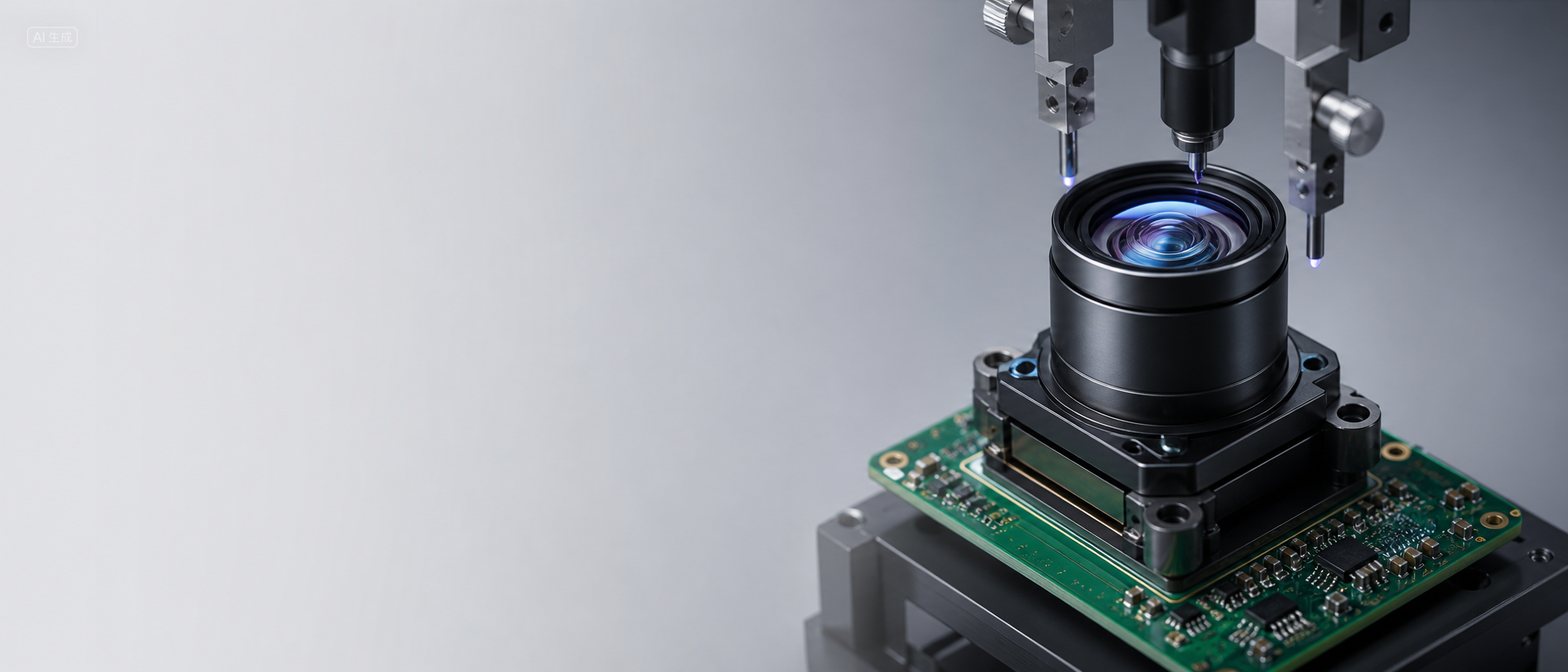
check_circleFast UV tack for active alignment positioning, with secondary cure for final strength.
check_circleLow volumetric shrinkage options to help hold optical alignment after cure.
check_circleHigh Tg and controlled CTE for camera and LiDAR thermal environments.
check_circleEpoxy and acrylic systems to match substrate sets and process constraints.
Typical Application Scenarios
Camera lens module
Supports production verification, dispensing setup and reliability testing.
LiDAR and optical bracket
Supports production verification, dispensing setup and reliability testing.
Optical communication module
Supports production verification, dispensing setup and reliability testing.
Precision optical sensor
Supports production verification, dispensing setup and reliability testing.
Representative Products
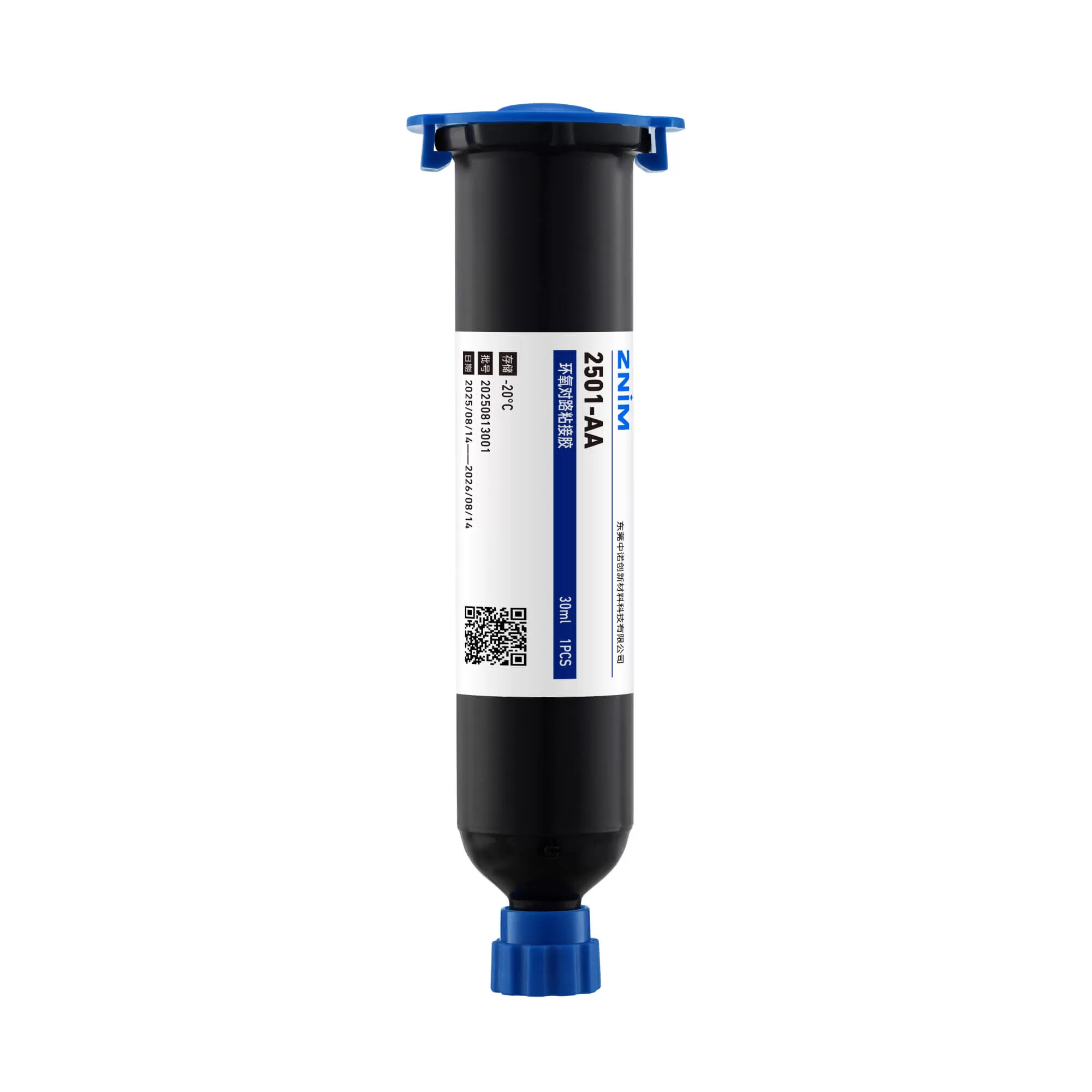
2501-AA
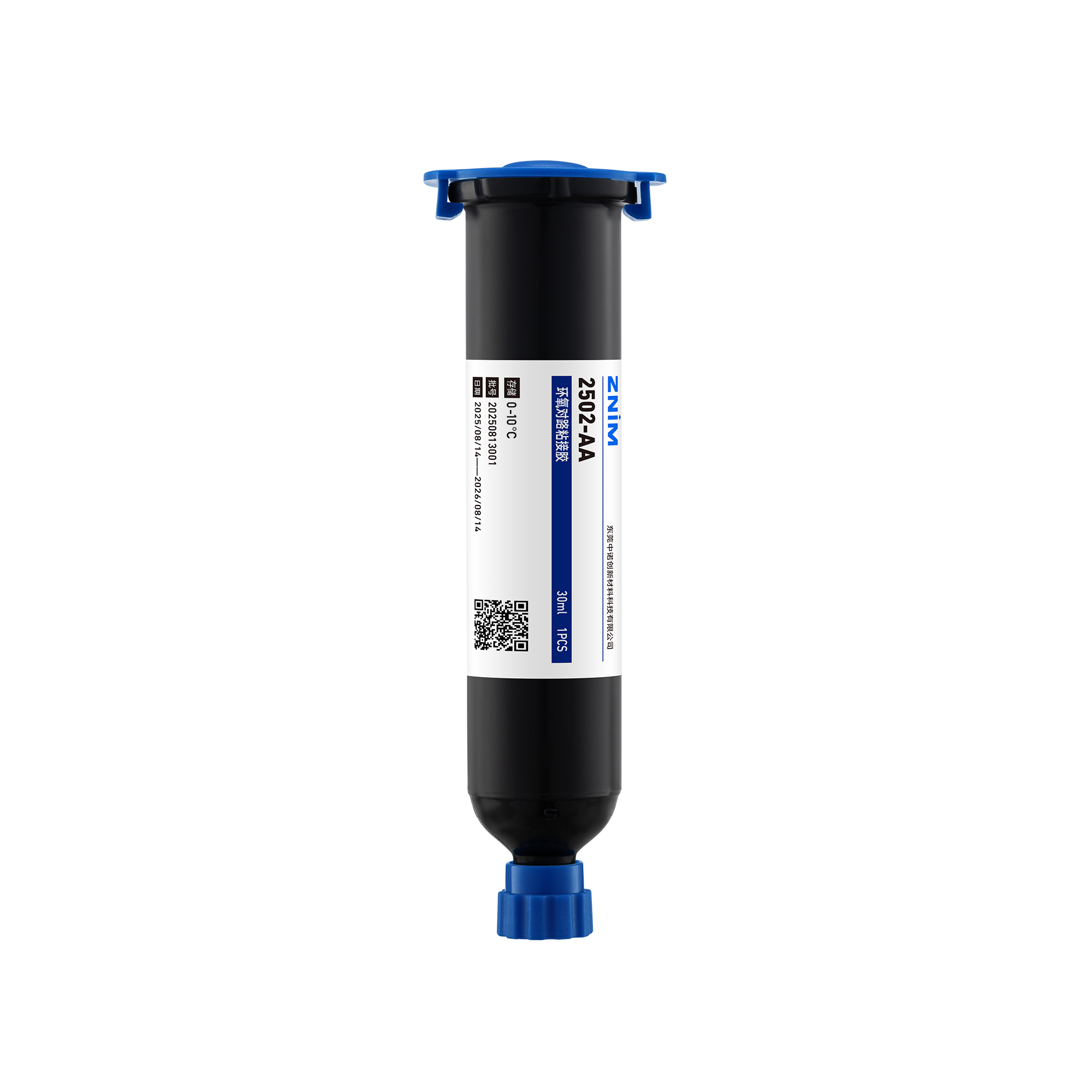
2502-AA
Frequently Asked Questions
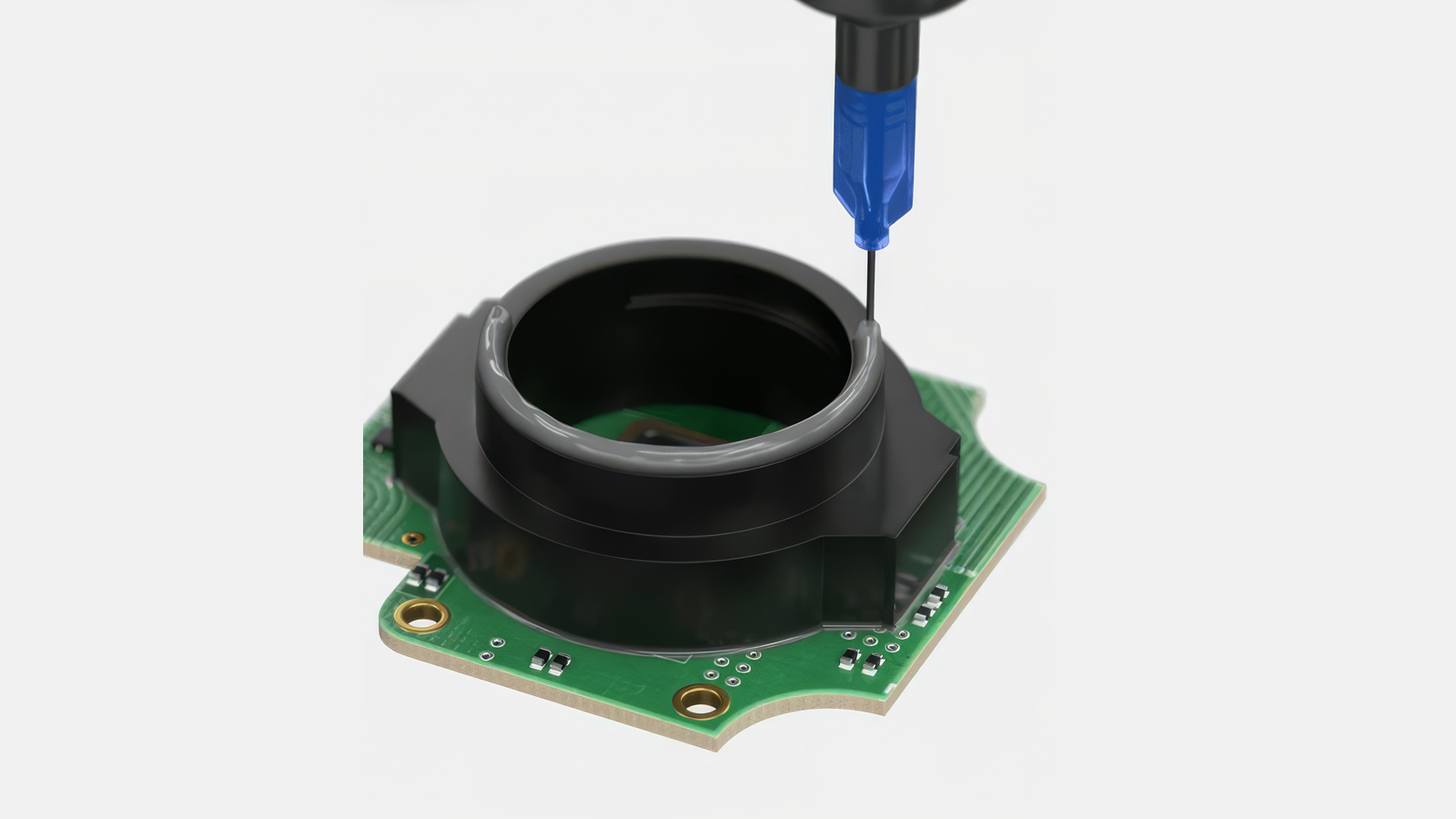
An AA adhesive is dispensed and UV-tacked while optics are actively positioned, then secondary-cured (heat or humidity) to lock alignment with controlled shrinkage.
2501-AA (epoxy, UV+heat) offers higher Tg, hardness, and lower shrinkage for demanding camera AA. 2502-AA (acrylic, UV+humidity) flows easier and suits humidity secondary cure lines.
Shrinkage can shift optical axes after UV. Start with low-shrink grades like 2501-AA when micron-level alignment stability is required.
Follow the TDS: 2501-AA typically stores frozen (−20°C); 2502-AA stores cold (0–10°C). Warm to room temperature before use and avoid repeated freeze cycles.
Find an AA process adhesive for your optical module
Share lens stack, substrates, UV dose, and secondary cure capability for a recommended grade.