
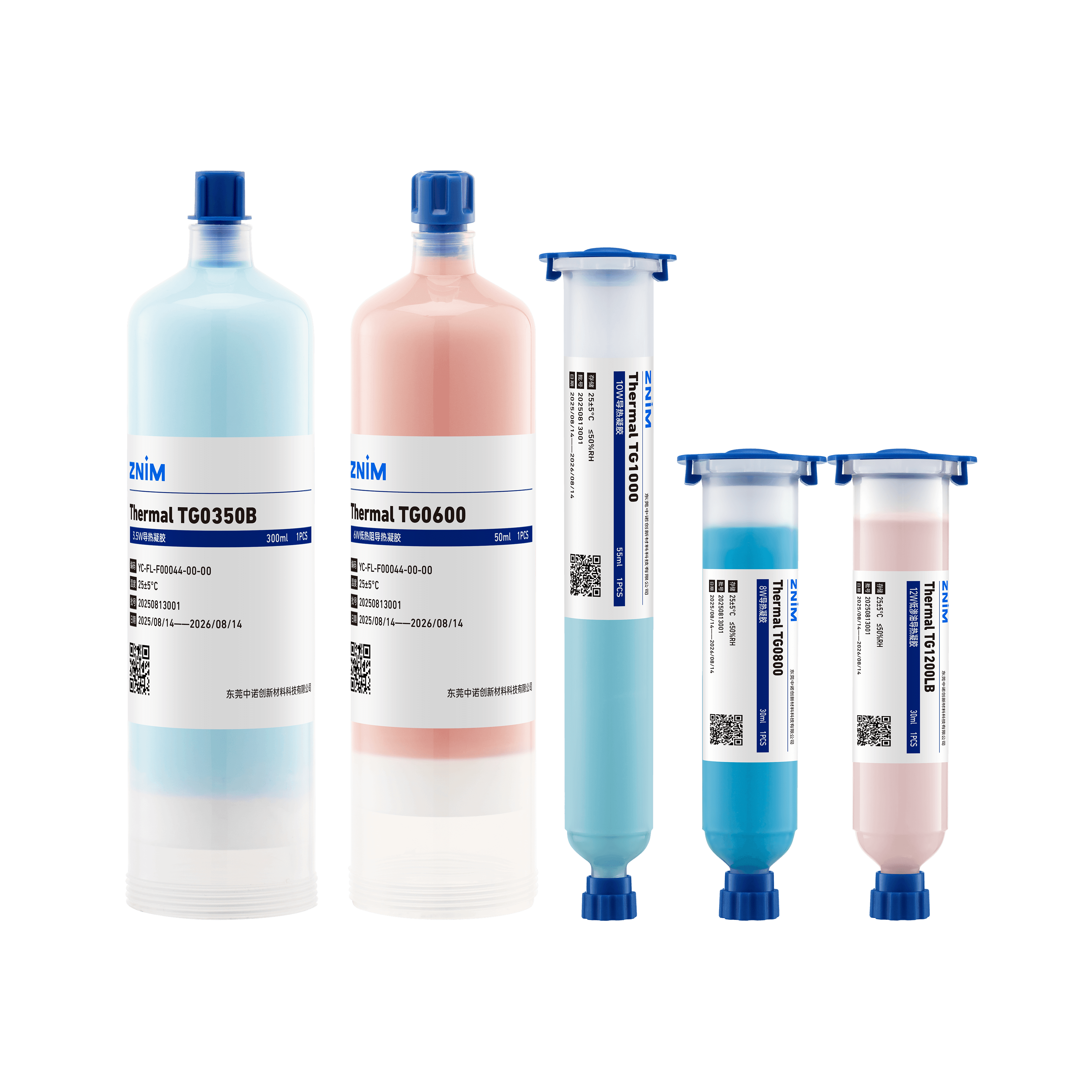
Thermal TG0350LD
Request product details, specifications, and application guidance.
Balance heat transfer, space constraints, assembly requirements, and long-term reliability.
Highly integrated SoCs, memory, and power components increase heat density within limited internal space.
Compact structures and variations in component height require careful control of material thickness, conformability, and gap-filling capability.
Temperature cycling, vibration, and assembly stress can affect material stability and electronic component reliability.
Complex dispensing paths, curing conditions, and production cycle times require materials that fit the manufacturing process.
Match material performance to the operating conditions and assembly needs of each device category.

Support smartphones, e-cigarettes, portable gaming devices, and power tools with thermal management and bonding materials designed for confined spaces, localized heat loads, and complex operating conditions.

Address heat dissipation and long-term operational stability in 3D printers, laser projectors, label printers, and similar devices, with attention to light sources, power supplies, drive systems, and control components.

Meet the needs of AR/VR headsets, smartwatches, and related products with a focus on lightweight structures, localized temperature rise, low-stress materials, and precision component reliability.
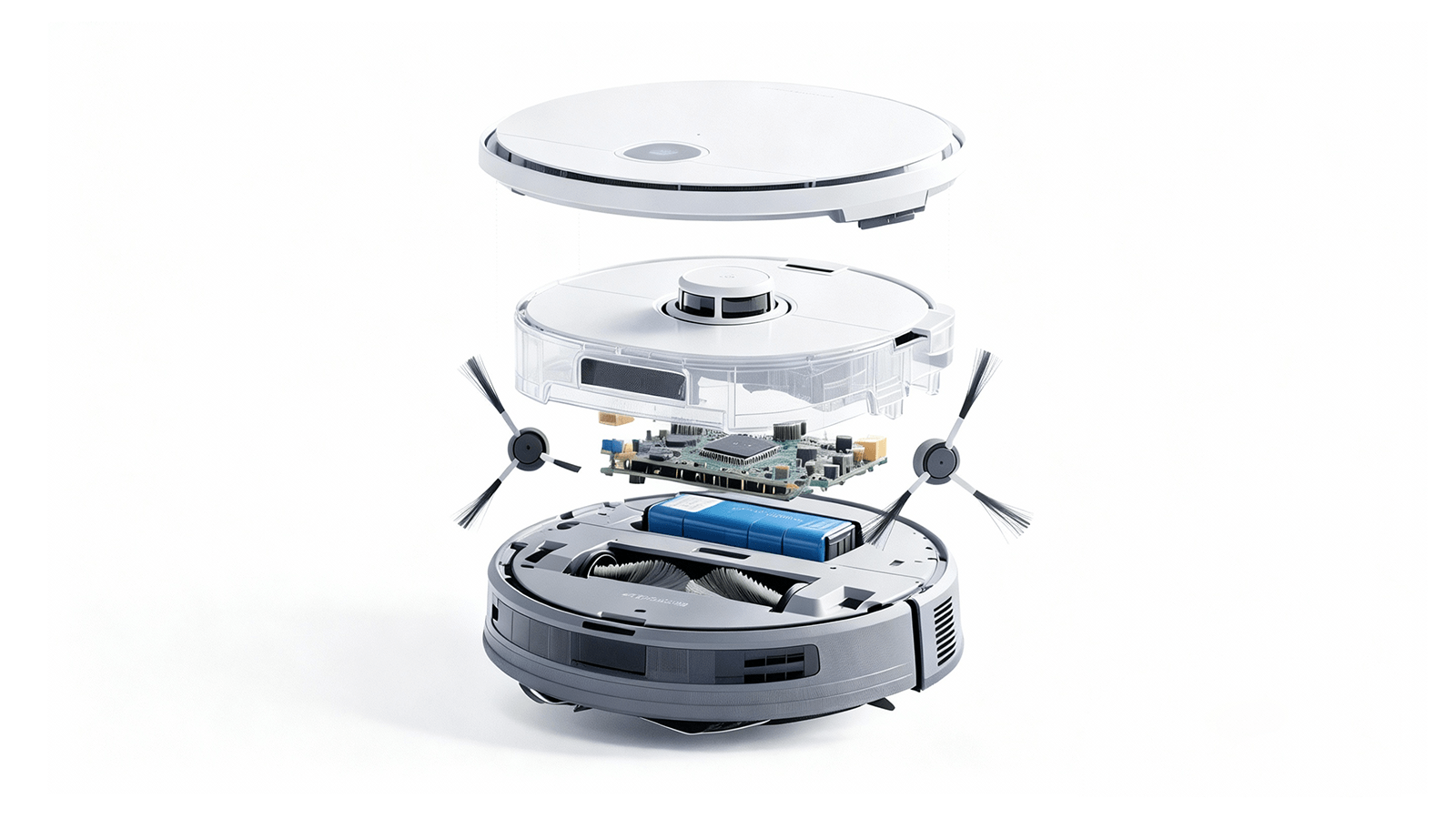
Support robot vacuums and robotic lawn mowers with materials selected for motor drives, power control, structural vibration, and environmental adaptability.

Provide materials for e-bikes, electric balance vehicles, and exoskeleton assistance devices, addressing integrated thermal management and long-term reliability in motor control, power management, and electronic control modules.
Select materials according to interface geometry, thermal requirements, assembly stress, bonding needs, and production processes.
When internal component heights vary, interface geometry is complex, or fixed-thickness materials are unsuitable, dispensable thermal gels can conform to different gaps and surface contours to help establish an effective heat-transfer path. Consider this approach for low assembly stress, automated dispensing, and complex structures.
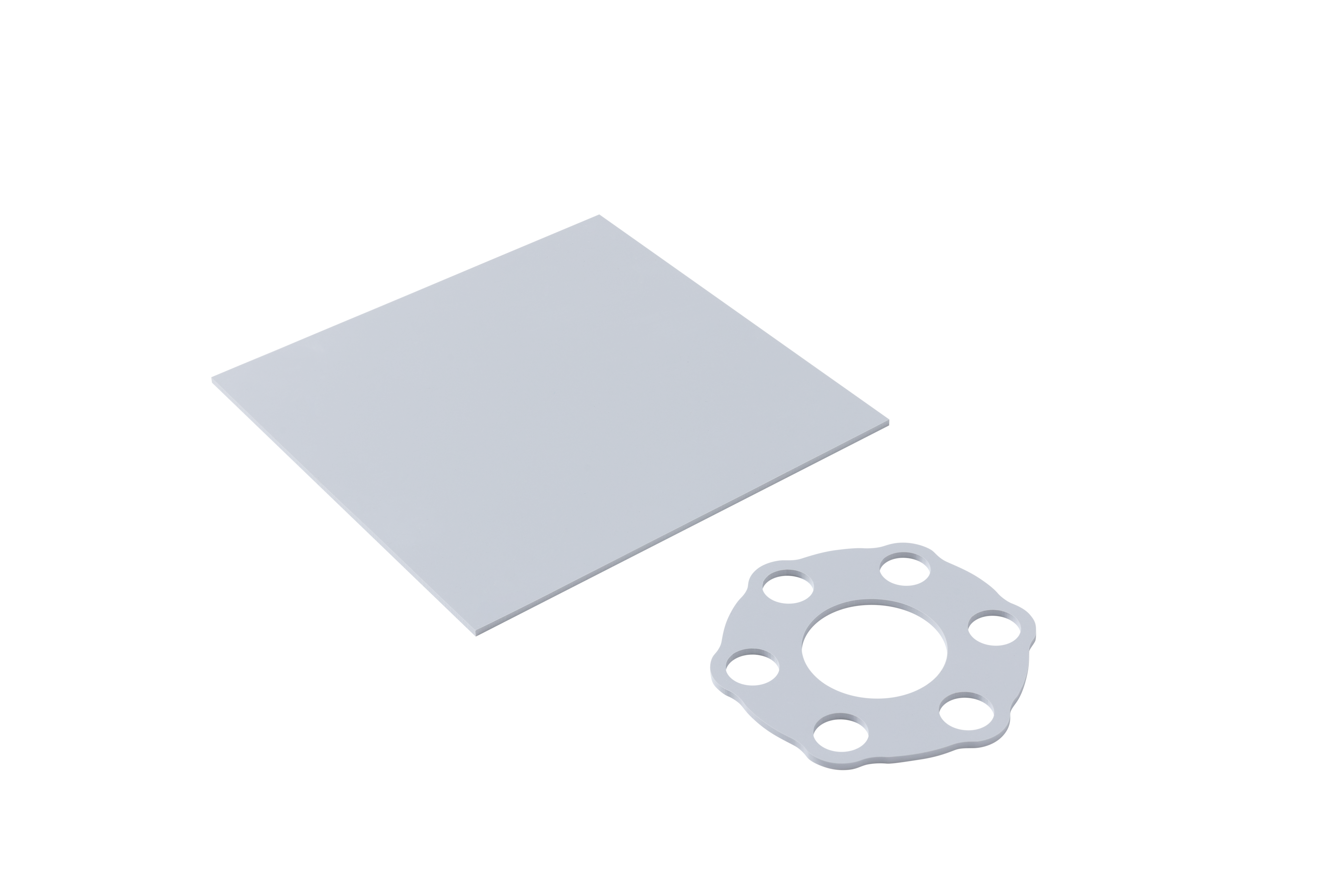
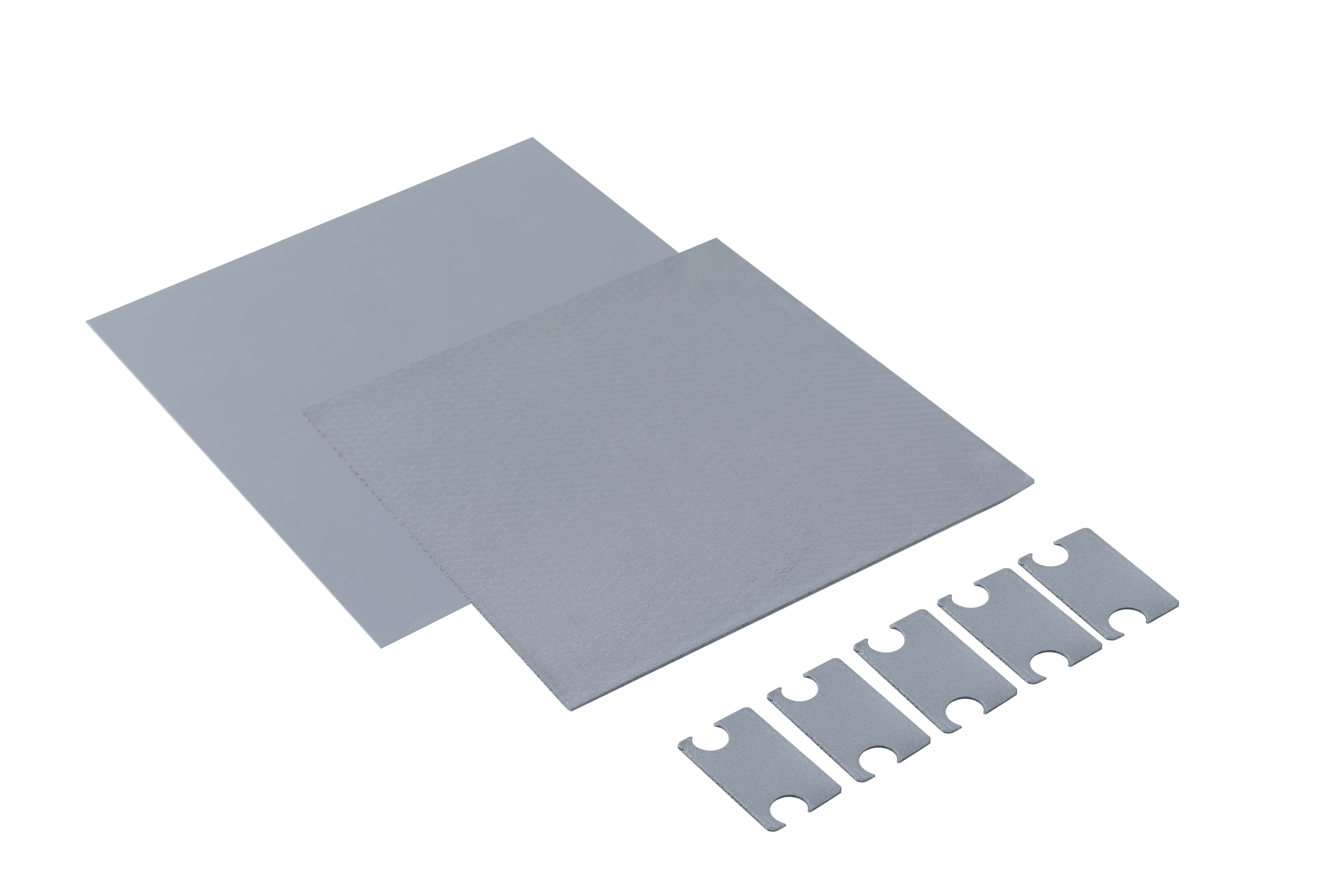
For defined gaps between components and heat-dissipation structures, preformed thermal gap pads accommodate surface-height variation and establish contact under appropriate compression. Consider them where assembly consistency, electrical insulation, and maintenance access are priorities.
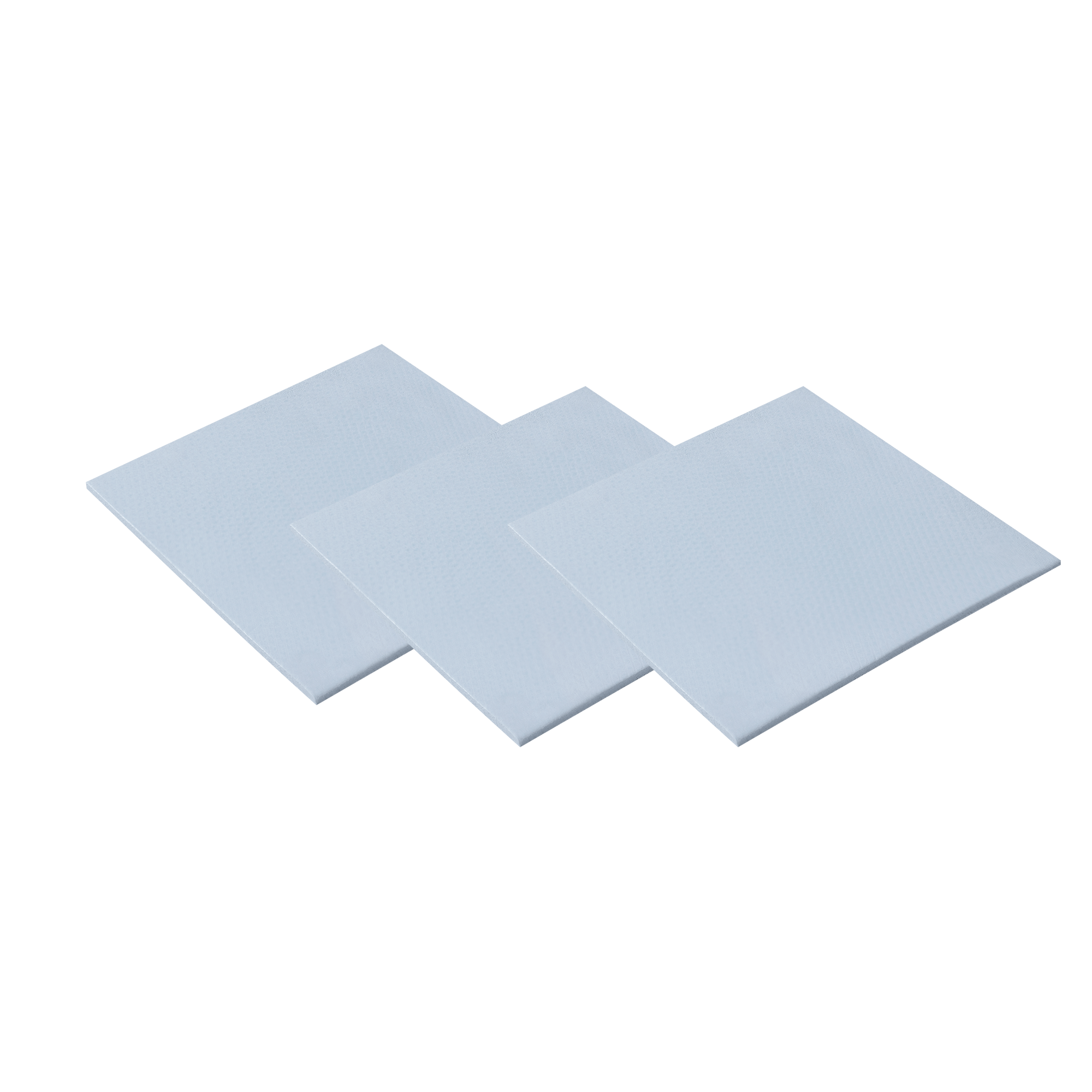
Chip-to-heat-sink interfaces often require controlled bond-line thickness and low contact resistance. Under suitable operating temperatures and contact pressure, phase change materials soften and improve interface wetting, supporting thin-layer heat transfer and long-term thermal stability.
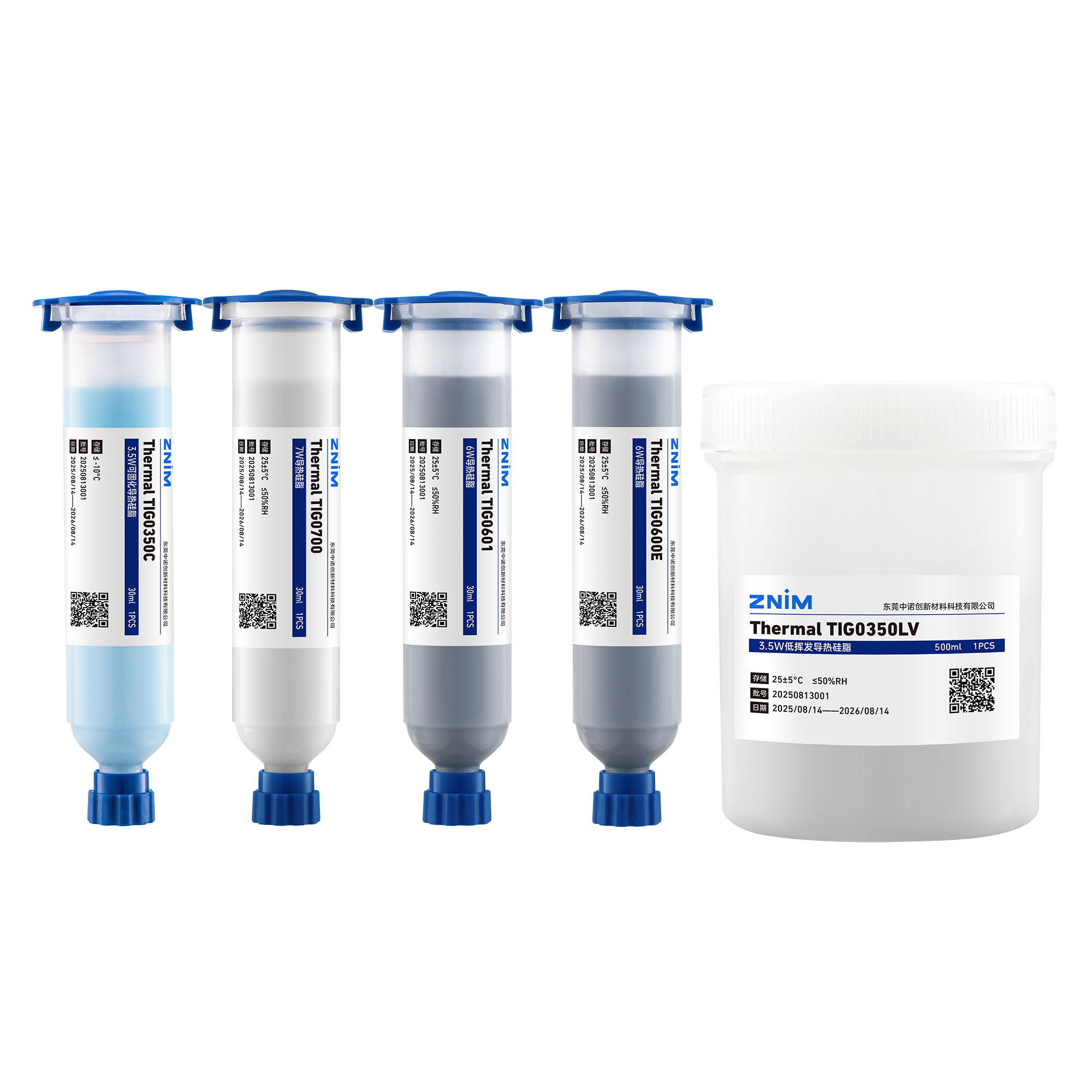
Thermal grease fills microscopic voids caused by surface unevenness between chips and heat-dissipation structures, helping reduce contact thermal resistance. For applications requiring thin coatings, consider the coating process, material migration, and long-term operating conditions during selection.
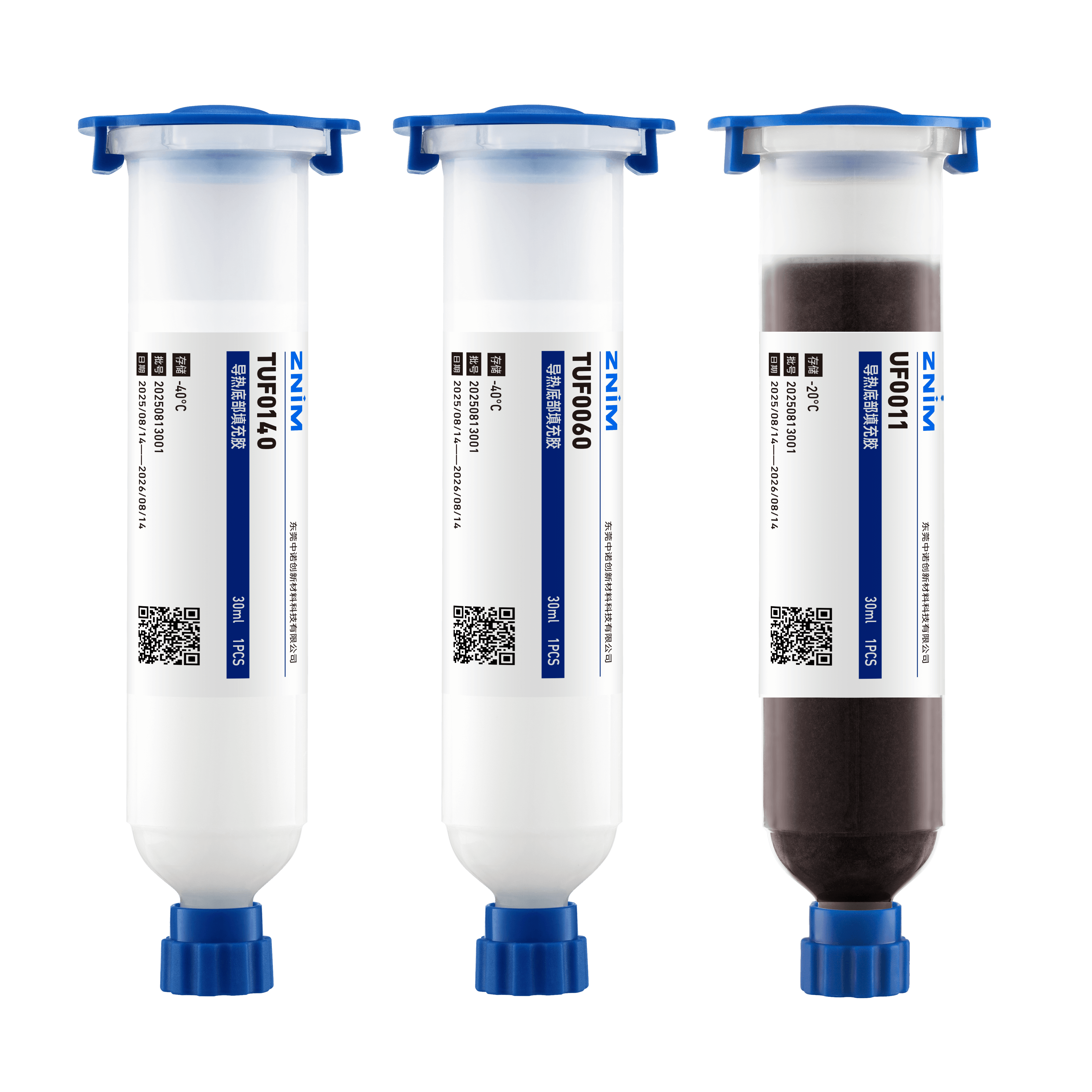
Temperature cycling, mechanical shock, and vibration can place repeated stress on chip packages and solder joints. Underfill adhesives fill package gaps and provide mechanical support to help improve connection reliability.
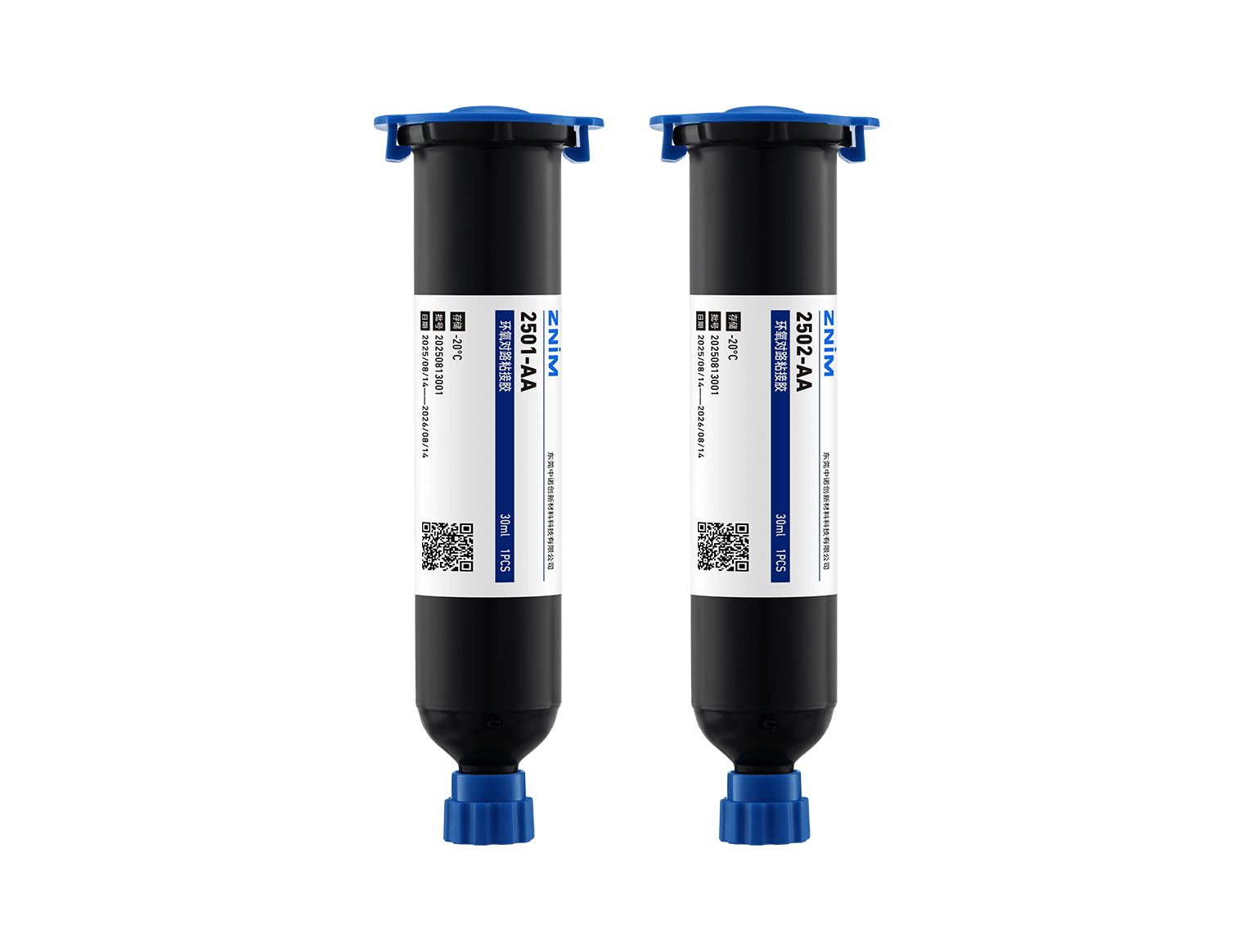
Camera modules and other precision electronic assemblies require positioning accuracy, stable bonding, and production efficiency. Select suitable active-alignment (AA) adhesives and UV-curable adhesives according to structural requirements and curing processes for component fixation and precision assembly.
Request product details, specifications, and application guidance.
Request product details, specifications, and application guidance.
Request product details, specifications, and application guidance.
Request product details, specifications, and application guidance.
A structured approach from application requirements to material evaluation.
Evaluate thermal targets, structural gaps, compression pressure, operating temperatures, and key production-process conditions.
Assess suitable material options based on thermal and mechanical properties, dispensing requirements, or placement processes.
Evaluate performance, process compatibility, and reliability under actual application conditions to support material qualification.
Share your device type, application location, and key technical requirements. ZNIM’s technical team can help evaluate a suitable material solution.