
Heat-Responsive Conformity
Softens with heat to improve microscopic contact and reduce interface thermal resistance.
ZNIM phase change thermal materials maintain a stable form at room temperature, making them easy to handle, position and assemble. At the phase change temperature, they gradually soften and wet the contact surfaces. Under assembly pressure, they fill microscopic air gaps to form a thin thermal interface for heat transfer between chips or power devices and heat sinks, cold plates or metal housings.
Softens with heat to improve microscopic contact and reduce interface thermal resistance.
Suited to thin thermal interfaces, helping shorten the heat transfer path.
Remains solid at room temperature for easier positioning and die-cutting.
Designed for the thermal management needs of electronic equipment; assess reliability under the relevant validation conditions.
Compare key properties of our phase change thermal interface materials.
| Image | Model | Thermal Conductivity (W/m·K) |
Thermal Resistance @40 psi (°C·cm²/W) |
Phase Change Temp (°C) |
Thickness (mm) |
Density (g/cm³) |
Operating Temp (°C) |
Flame Rating | Actions |
|---|---|---|---|---|---|---|---|---|---|
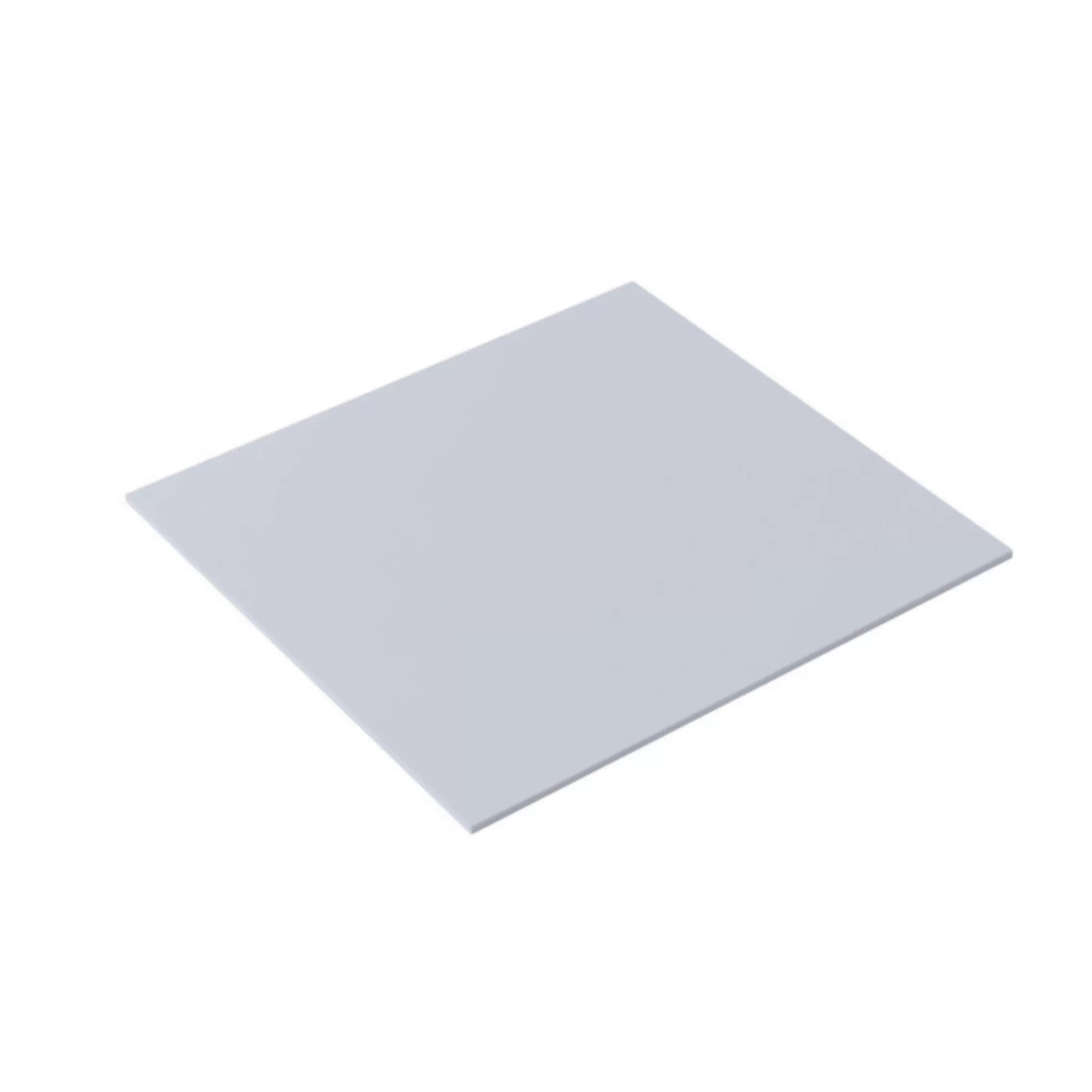 |
Thermal PC0600 | 6.0 | 0.085 | 62 | 0.20–0.50 | 2.6 | −40 to 150 | V-0 | Download LDS |
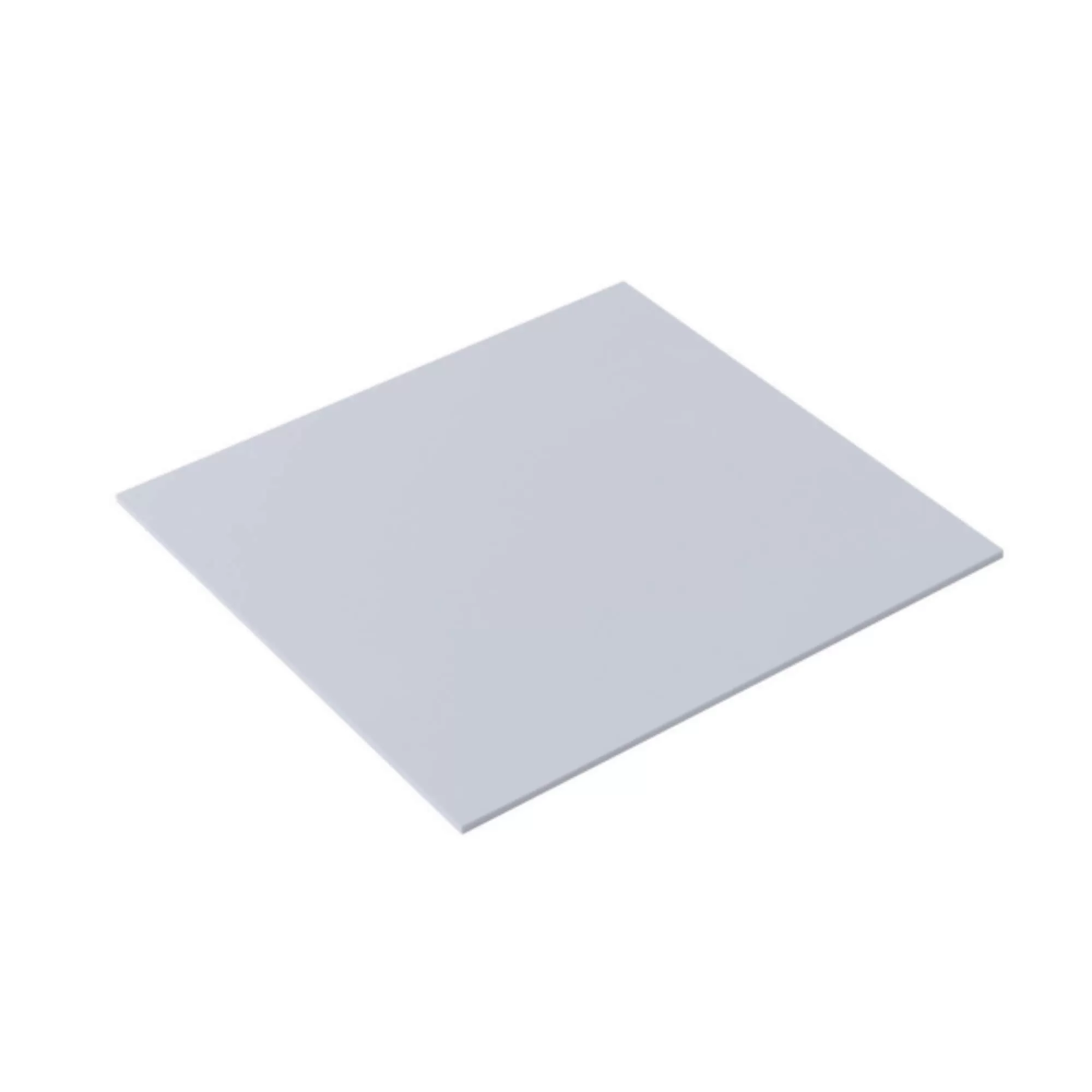 |
Thermal PC0800 | 8.0 | 0.063 | 50–55 | 0.20–0.50 | 2.9 | −40 to 150 | V-0 | Download LDS |
6.0 W/(m·K) thermal conductivity and a 62°C phase change temperature; suitable for selection after thermal design validation.
8.0 W/(m·K) thermal conductivity and a 50–55°C phase change temperature; suitable for designs requiring a lower phase change temperature and higher thermal conductivity.
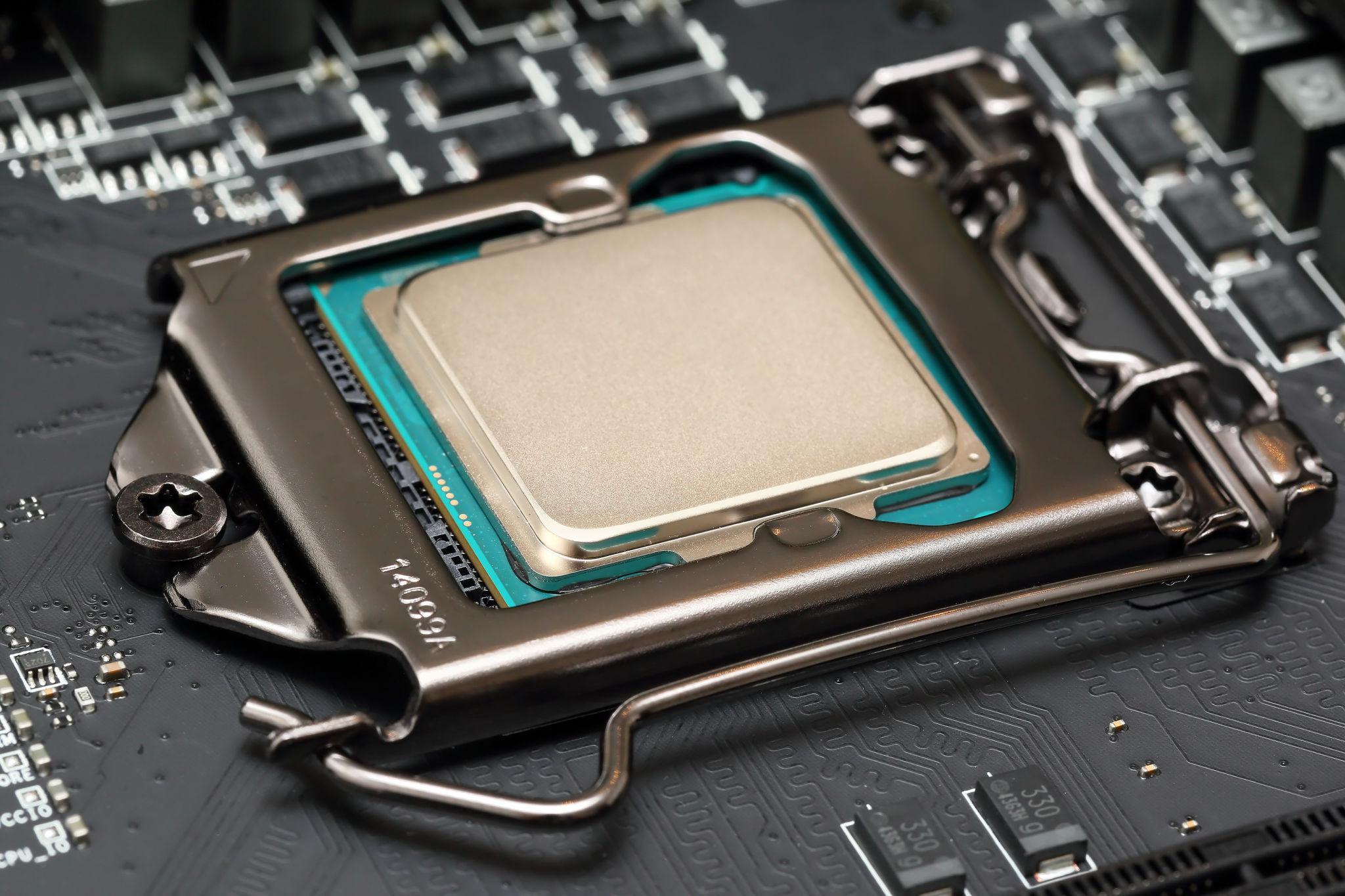
Thin thermal interfaces between CPUs and heat sinks.
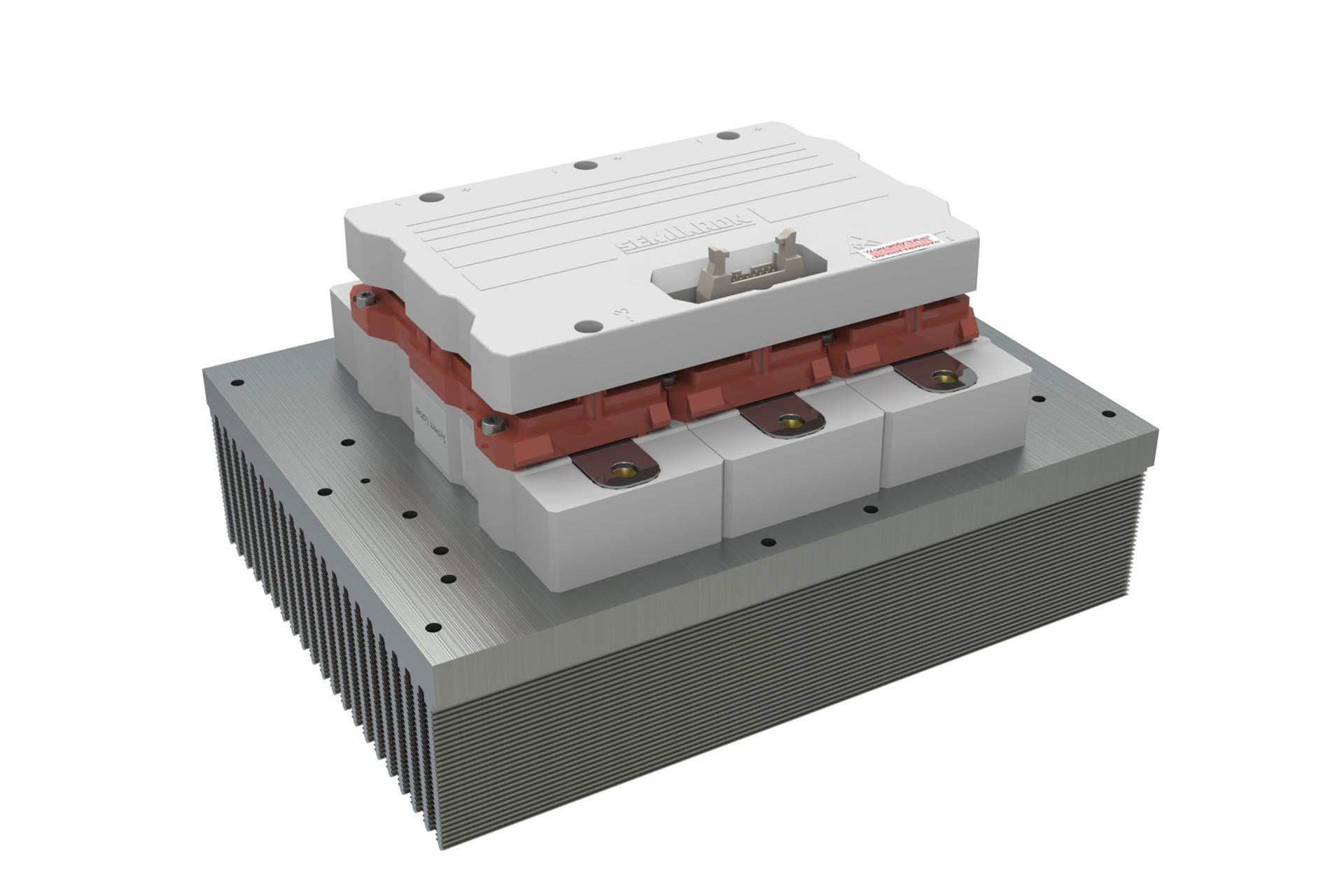
Heat transfer between power modules and heat sink bases.
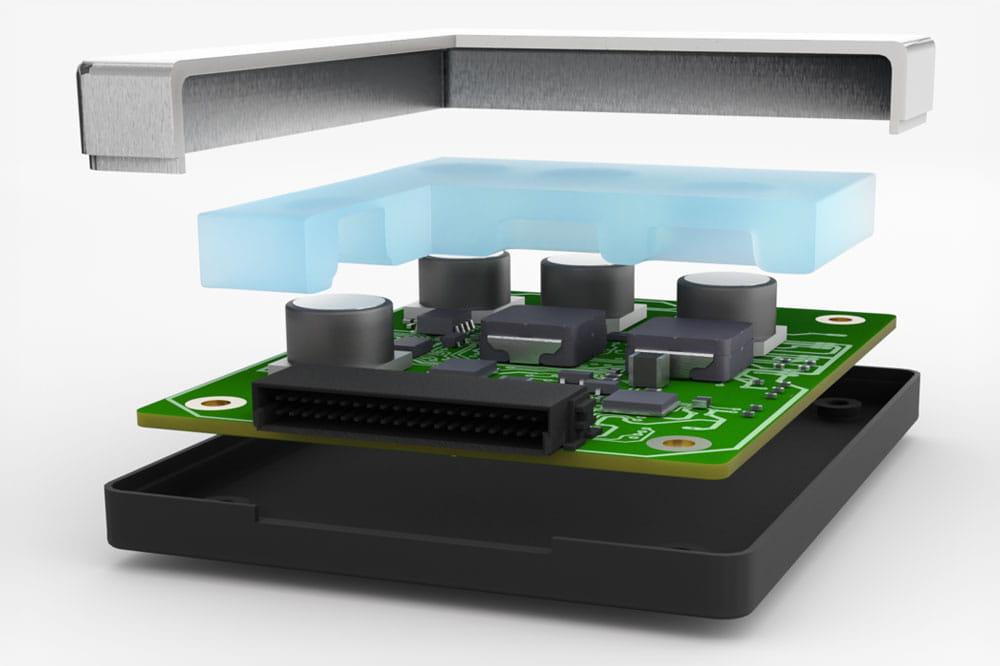
Cooling assemblies that require thin interfaces and precise positioning.
Phase change materials are generally solid or stable at room temperature and soften at a specified temperature to improve interface contact. Thermal grease is typically paste-like and spreads without a phase change. Both can reduce interface thermal resistance, but their assembly processes and reliability performance should be assessed separately.
Not necessarily. The phase change temperature should match the equipment's actual operating temperature. Assembly pressure, thermal resistance, material thickness and long-term operating conditions should also be considered.
They are generally better suited to thin thermal interfaces and should not be assumed to replace thick gap pads or thermal gels. Evaluate the material thickness, tolerances and assembly conditions.
The main differences include thermal conductivity, phase change temperature and thermal resistance. Evaluate the actual operating temperature, thermal management targets, assembly pressure and reliability test results when selecting a material.
Our technical team can help evaluate material options based on your operating temperature, interface gap and assembly conditions.