
Electrical Connectivity
Ni/C conductive filler provides current-conduction pathways and helps maintain conductive continuity across contact surfaces.
Conductive Gel for Form-in-Place EMI Shielding
ZNIM one-component Ni/C conductive gels are designed for automated form-in-place dispensing. They form conductive, elastic sealing structures on metal and other compatible substrates, providing electrical connections and electromagnetic shielding interfaces for electronic equipment.

Conductive gel is precisely dispensed onto designated areas of a housing or structural component. After curing under specified conditions, it forms a conductive elastic bead. Under suitable assembly compression, the bead establishes electrical contact with the mating surface, helping reduce electromagnetic leakage and accommodate shielding designs with complex geometries.
Ni/C conductive filler provides current-conduction pathways and helps maintain conductive continuity across contact surfaces.
Good flow characteristics help control bead shape and support automated dispensing processes.
Bonds to compatible substrates after curing, reducing additional gasket assembly steps.
Supports electronic equipment design needs for electrical conductivity, mechanical performance and temperature compatibility.
Compare the key properties of our one-component Ni/C conductive gels.
| Image | Model | Conductive Filler | Color | Hardness (Shore A) | Viscosity (Pa·s) | Density (g/cm³) | Tensile Strength (MPa) | Elongation at Break | Volume Resistivity (Ω·cm) | Cure Conditions | Temperature Range (°C) | Special Characteristic | Datasheet |
|---|---|---|---|---|---|---|---|---|---|---|---|---|---|
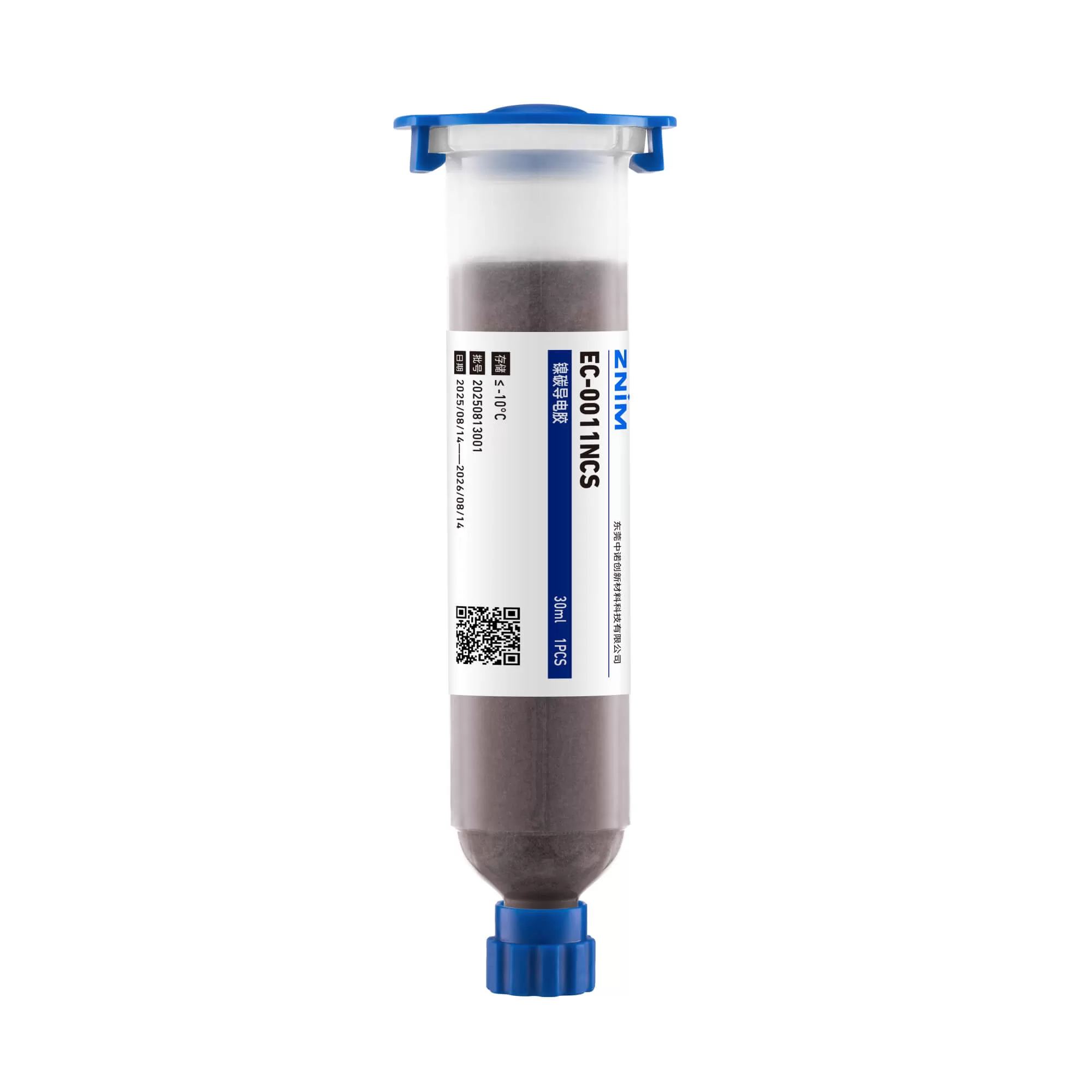 | EC-0009NCS | Ni/C | Black | 65 | Not disclosed | 1.9 | 1.0 | 100% | 0.02 | 150°C / 30–60 min | −40 to 150 | — | Download LDS |
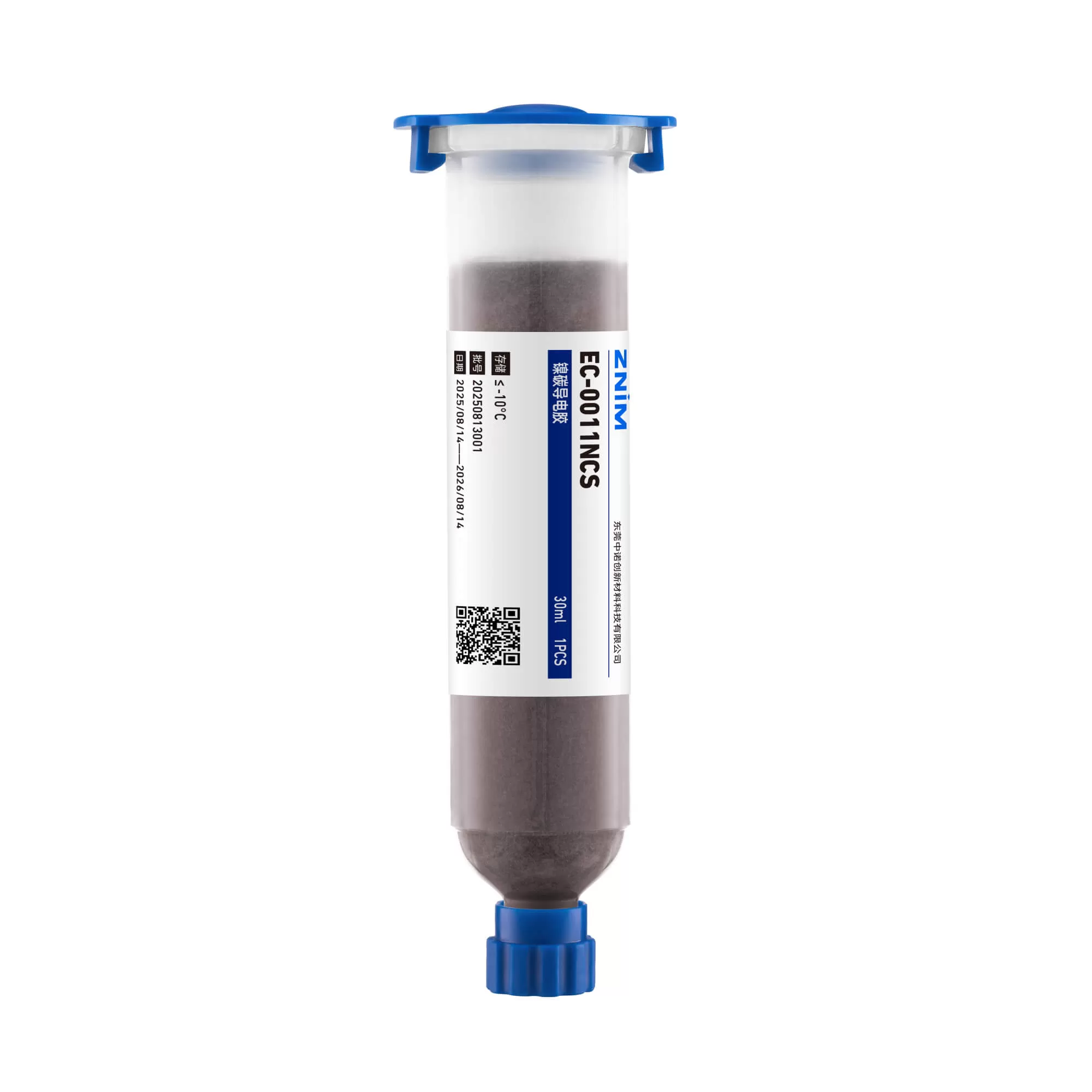 | EC-0011NCS | Ni/C | Black | 25 | 360 | 1.60 | 0.7 | 200% | 0.4 | 150°C / 30–60 min | −40 to 150 | — | Download TDS |
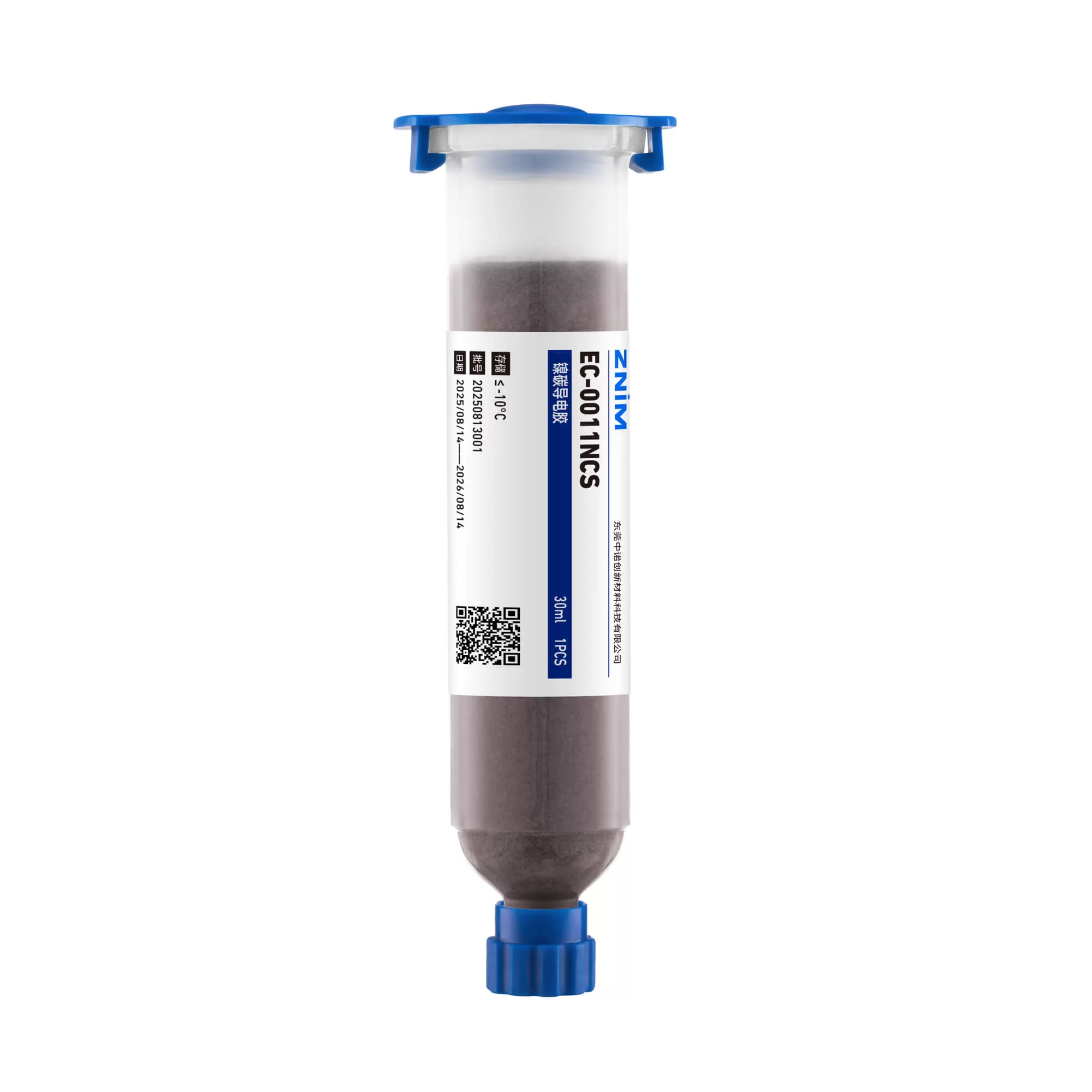 | EC-0013NCS | Ni/C | Black | 25 | 400 | 1.70 | 0.7 | 200% | ≤1.0 | 150°C / 30–60 min | −40 to 150 | Fluorescent | Download LDS |
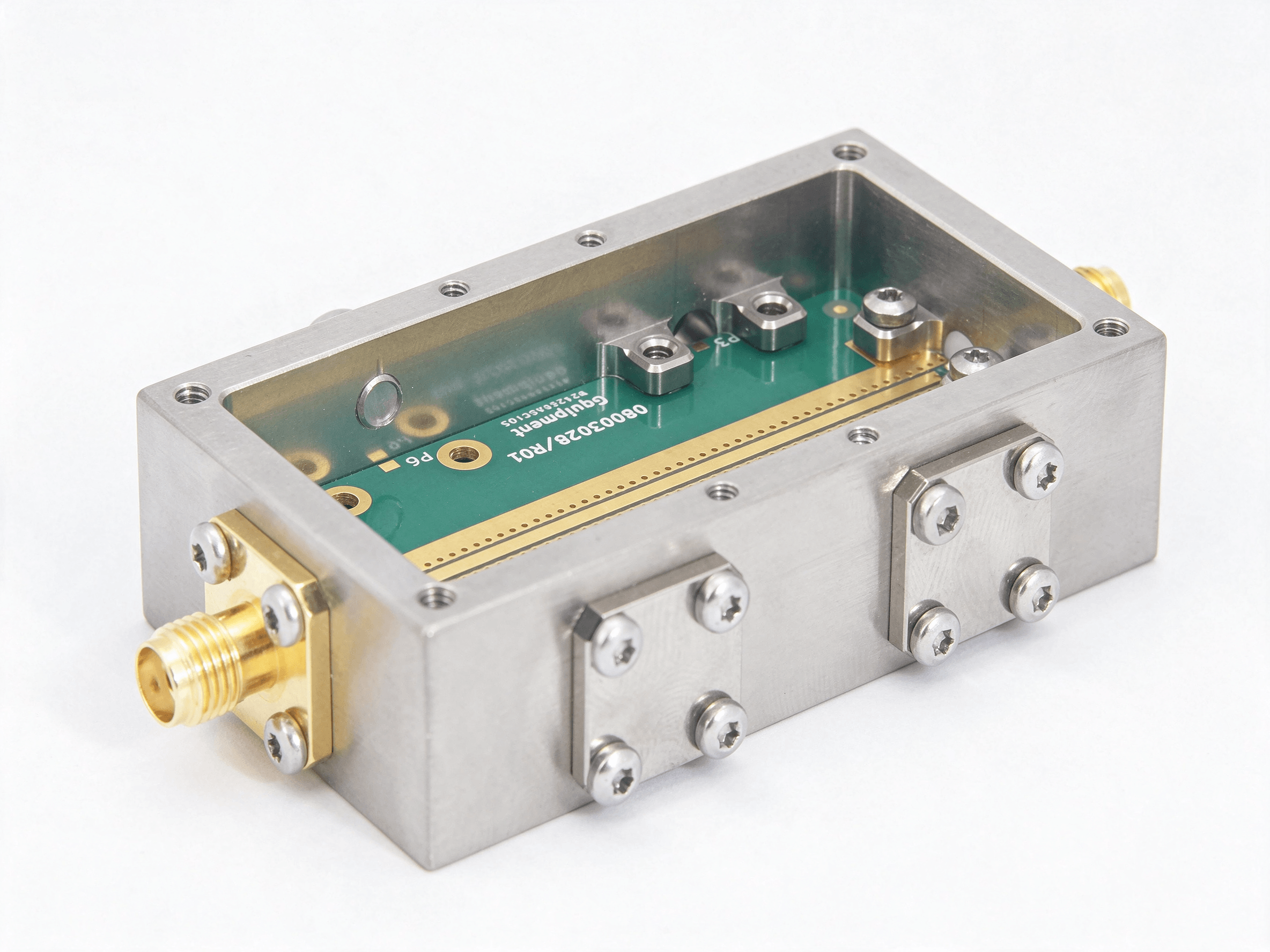
Used at housing joints in RF modules and communications equipment to help establish an EMI shielding connection.
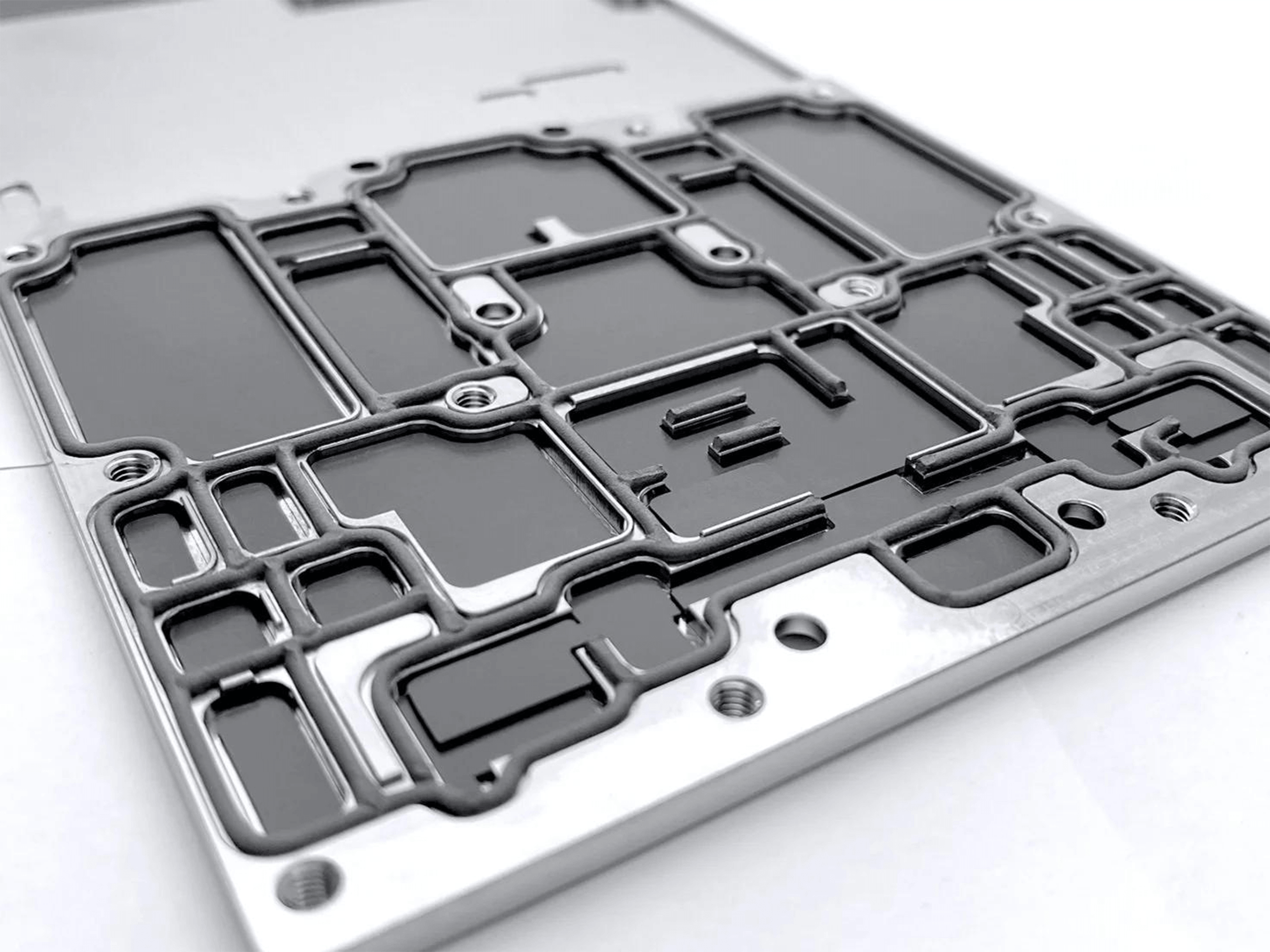
Supports automatically dispensed conductive sealing structures along complex housing edges and seams.
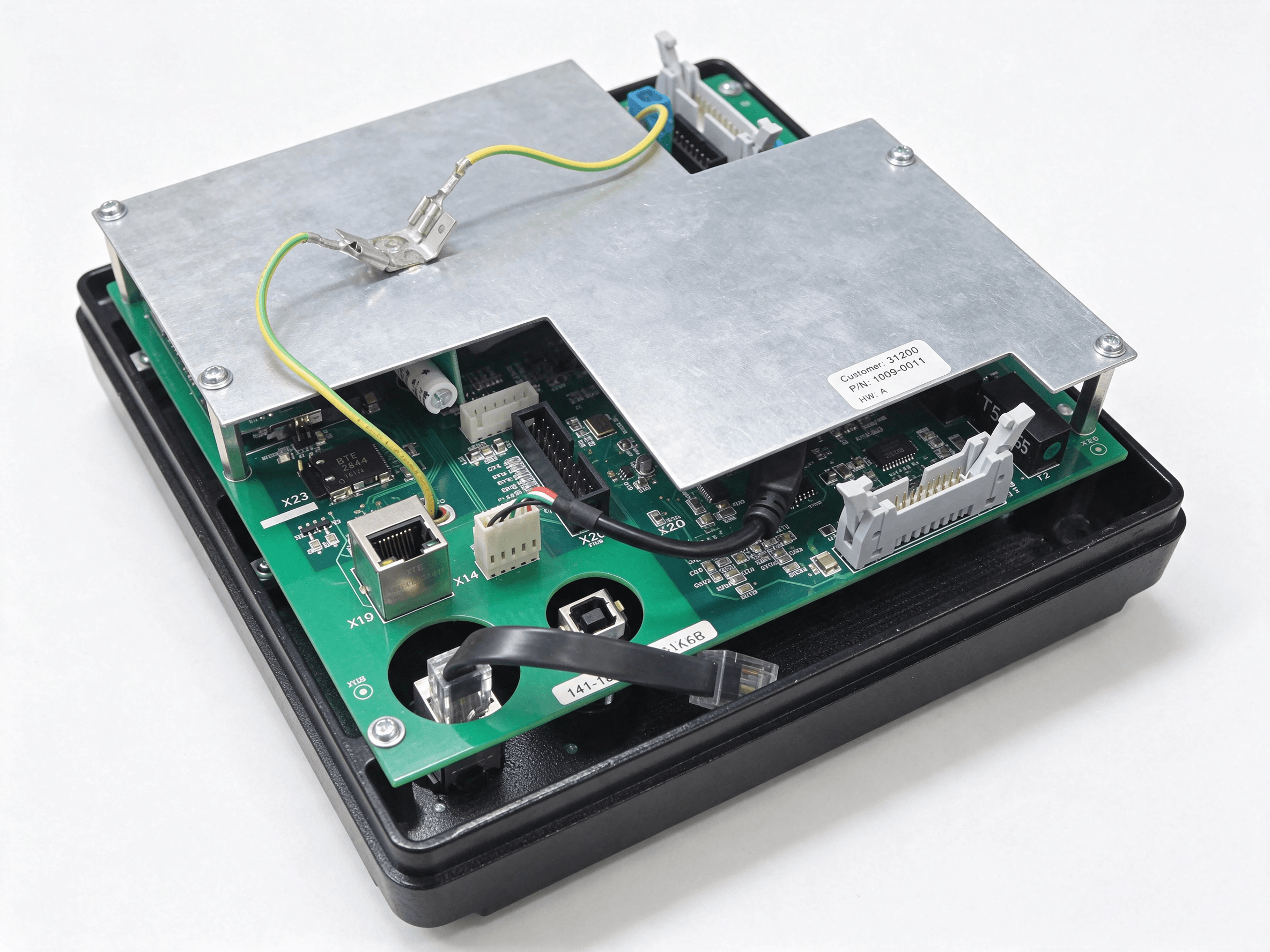
Provides conductive connection and shielding design options for electronic control modules and metal structures.
FIP (form-in-place) conductive gel is automatically dispensed directly onto a housing or structural component to form a bead. After curing, it can create a conductive contact interface for certain EMI shielding and electronic structural connection applications.
Lower volume resistivity indicates better bulk conductivity, but the EMI shielding performance of the complete assembly also depends on contact resistance, bead geometry, compression, substrate and assembly design.
The currently available parameters indicate curing at 150°C for 30–60 minutes for all three. Confirm the actual cure cycle against the latest TDS and process validation results.
Evaluate viscosity, thixotropy, dispensing equipment, bead dimensions, substrate adhesion, curing conditions, compression performance and electrical properties together. Do not select a material based on conductivity alone.
Our technical team can help evaluate a suitable conductive gel based on your EMI shielding requirements, electrical properties, dispensing process and curing conditions.