
AI Server & Data Center Thermal Management Solutions
Advanced Thermal Interface Materials for High-Density Computing
As AI training and inference workloads continue to scale, GPU- and CPU-dense systems face increasingly severe thermal challenges. Zhongnuo provides high-performance thermal interface materials engineered for efficient heat transfer, low mechanical stress, and long-term reliability between power-intensive components and cooling structures.
Key Thermal Management Challenges in AI Servers
As AI computing power and thermal density increase, effective thermal management requires more than high thermal conductivity. Interface resistance, mechanical stress, and long-term reliability are critical to system performance.
High Heat Flux
Increasing GPU and CPU power densities create concentrated heat loads, demanding efficient heat transfer.
Interface Thermal Resistance
Surface contact, bondline thickness, and mounting pressure directly influence thermal resistance and cooling efficiency.
Mechanical Stress Control
Package tolerances and mounting pressure require compliant materials that minimize stress on sensitive components.
Long-Term Reliability
Continuous operation and thermal cycling demand stable thermal performance with minimal pump-out, dry-out, or degradation.
Thermal Management Applications in AI Data Centers
Engineered TIM matrices tuned specifically for multi-chip packaging, optical switching fabrics, and dense auxiliary voltage rails.
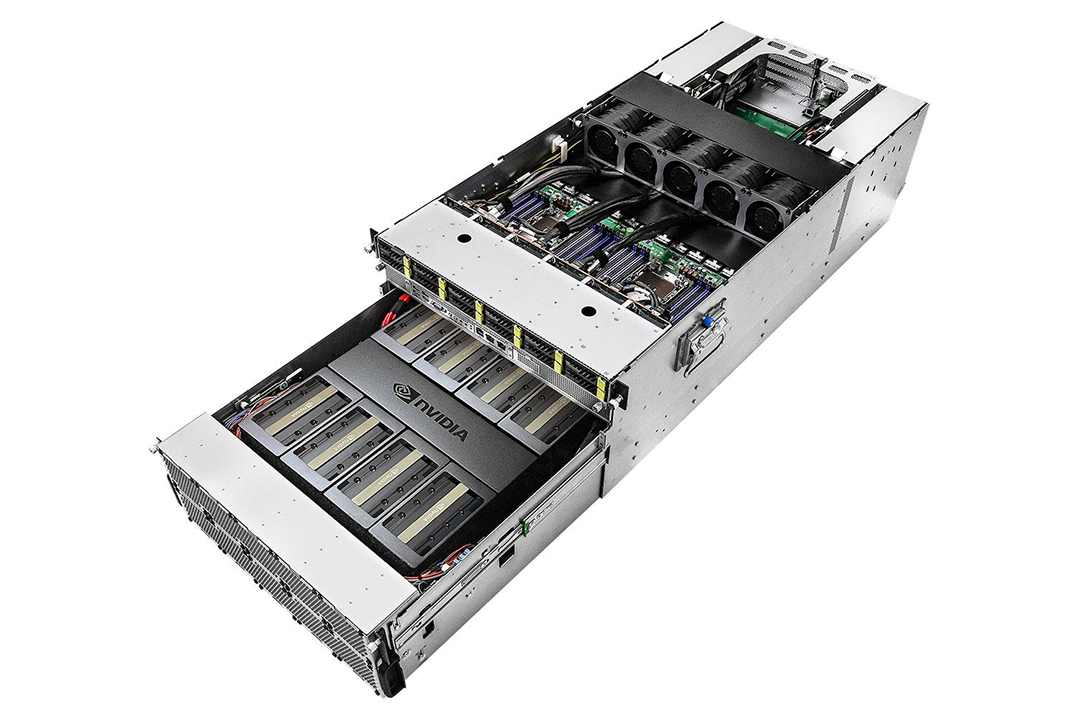
AI Compute Servers
Thermal solutions for high-power compute platforms built around accelerated processing and dense memory architectures.
GPU, CPU, HBM peripheral components, memory, and power-management modules.
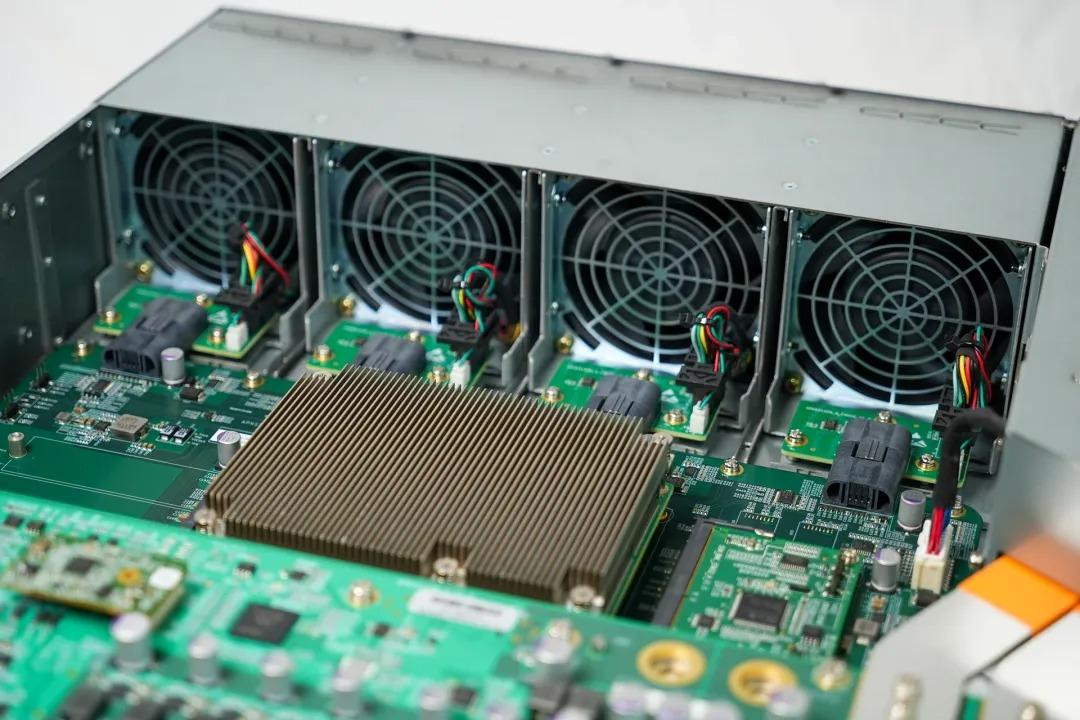
High-Speed Networking Equipment
Interface materials for high-speed network switches operating under sustained throughput and concentrated ASIC heat loads.
Switch ASICs, control chips, power-supply modules, and board-level interfaces.
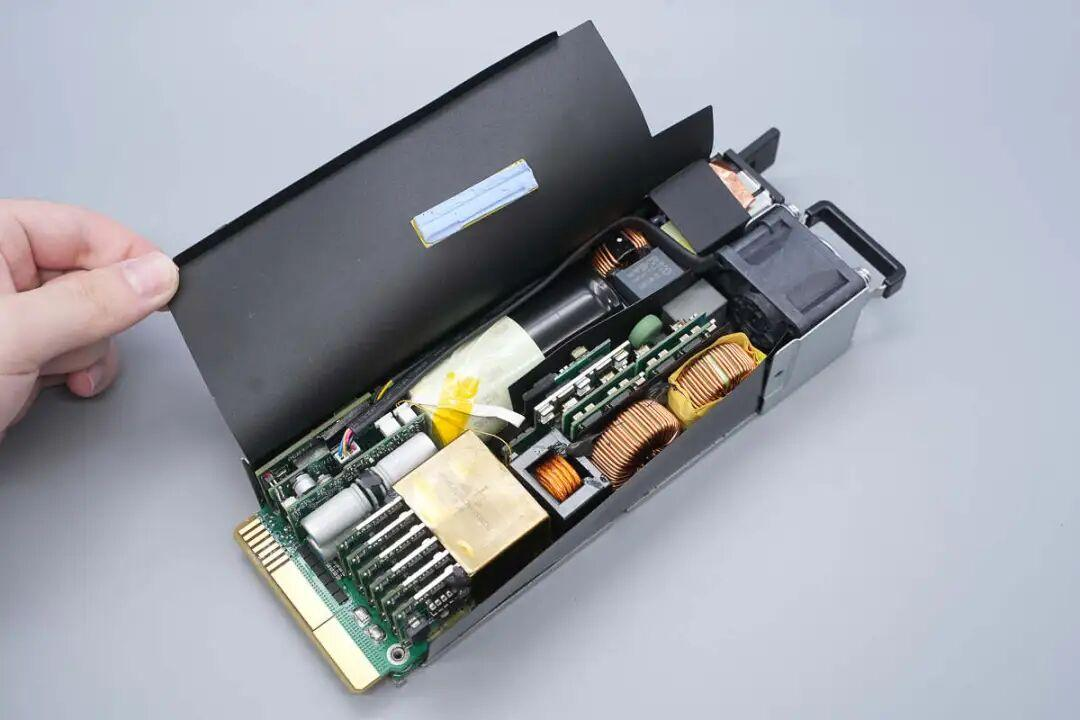
Server Power & Supporting Electronics
Reliable thermal interfaces for server power supplies and supporting subsystems with varied gaps and electrical-insulation requirements.
PSU, VRM, MOSFET, power components, and control boards.
Match each thermal interface with the right material strategy
Use operating conditions, interface geometry, pressure, and lifetime requirements to narrow the material choice.
| Critical Interface | Core Requirements | Candidate Materials |
|---|---|---|
| GPU/CPU package surface to heatsink or cold plate | Low thermal resistance, thin bondline, pressure matching | PCM, thermal grease, or other validated TIMs |
| Memory and peripheral components to heat-spreading structure | Gap filling, low stress, tolerance accommodation | Thermal gel or ultra-soft thermal pad |
| VRM/MOSFET to heat-dissipation structure | Heat conduction, electrical insulation, dimensional tolerance | Thermal pad or thermal gel |
| Power module to chassis or heatsink | Gap filling, reliability, process compatibility | Thermal pad or thermal gel |
| Network switch ASIC to heatsink | Thermal resistance, assembly pressure, long-term stability | PCM, thermal grease, or another suitable TIM |
Frequently asked questions
Need a Reliable TIM Solution for Your AI Server?
Share your thermal requirements, interface dimensions, and assembly conditions with the ZNIM team.